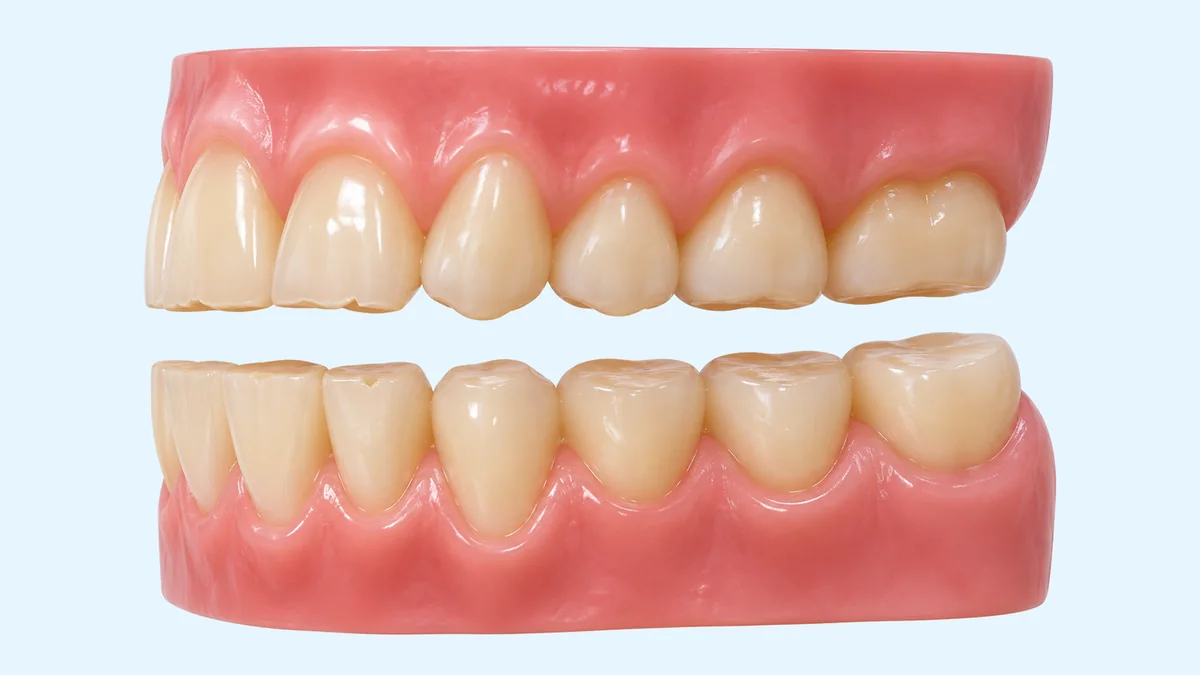
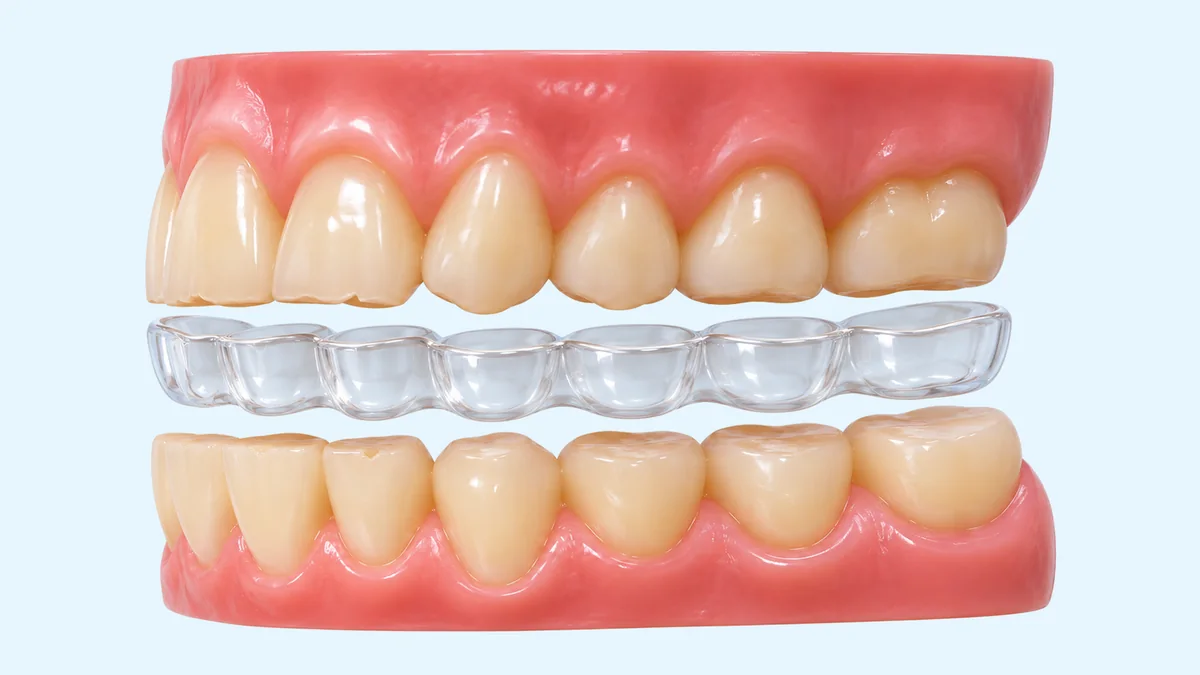
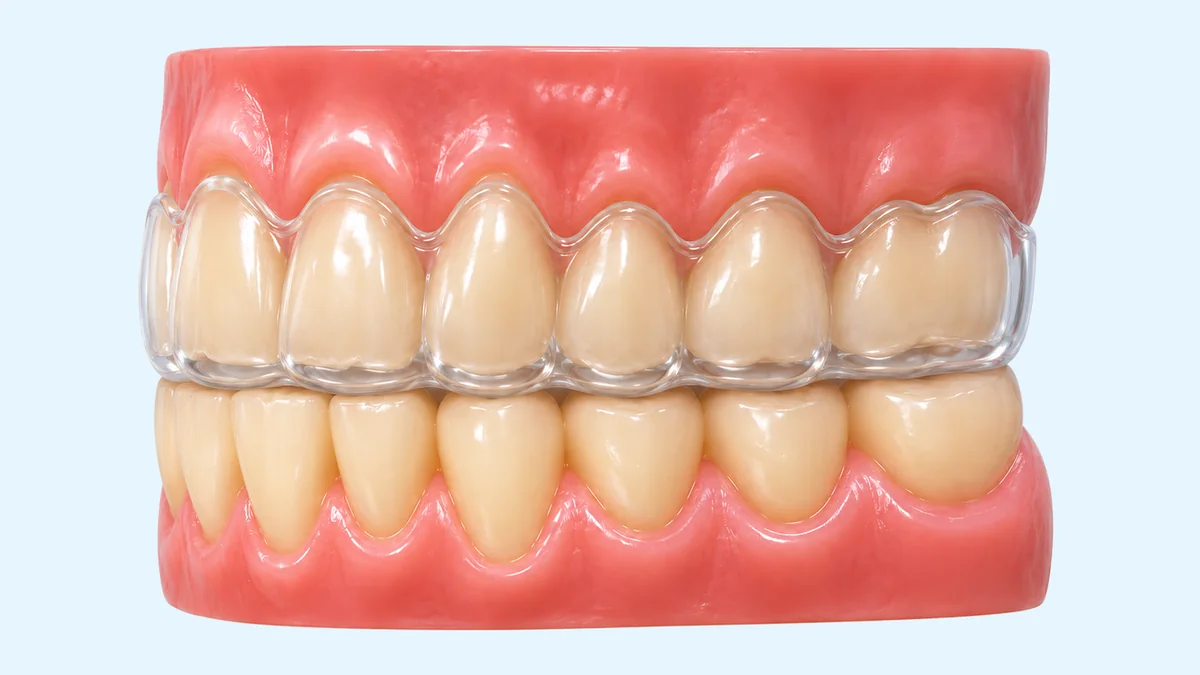
Custom night splint
Who it suits: People who clench or grind in their sleep, wake with tired jaw muscles, or show wear on their teeth.
What it does: A guard made from an impression or digital scan of your teeth, worn at night so your teeth meet the splint, not each other.
Jaw exercises and daily habits
Who it suits: Mild muscle pain, daytime clenching, or pain that flares with stress or long hours at a desk.
What it does: Gentle exercises and small habit changes, such as keeping your teeth apart during the day, take load off the muscles.
Physiotherapy for the jaw and neck
Who it suits: Pain that comes with neck or shoulder tension, or a jaw that no longer opens as far as it used to.
What it does: Physiotherapy for the jaw muscles and neck can ease the load alongside your splint; if you need it, we tell you where to go.
Repairing worn or chipped teeth
Who it suits: People whose teeth, fillings or crowns have already worn down, cracked or chipped from grinding.
What it does: Once the load is under control, worn areas are rebuilt with fillings, onlays or crowns that a splint then protects.
Referral to another specialist
Who it suits: Pain that doesn't match a jaw or tooth problem, or that comes with ear, sinus, nerve or other symptoms.
What it does: If the examination points away from the jaw and teeth, we tell you which doctor to see instead of starting dental treatment.
Which option suits you is decided at your examination, not on this page.