
Treatments · Vogue Clinics

Children's dentist in Istanbul

Prevention, fillings and gentle first visits, including care under general anaesthesia.

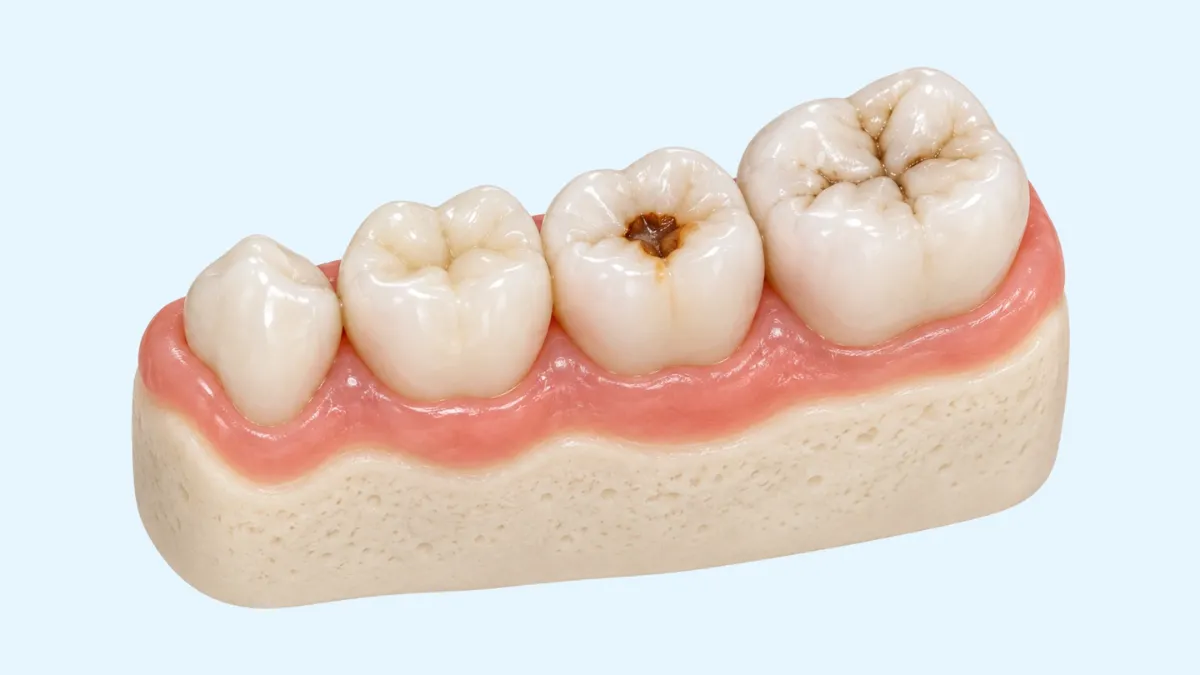
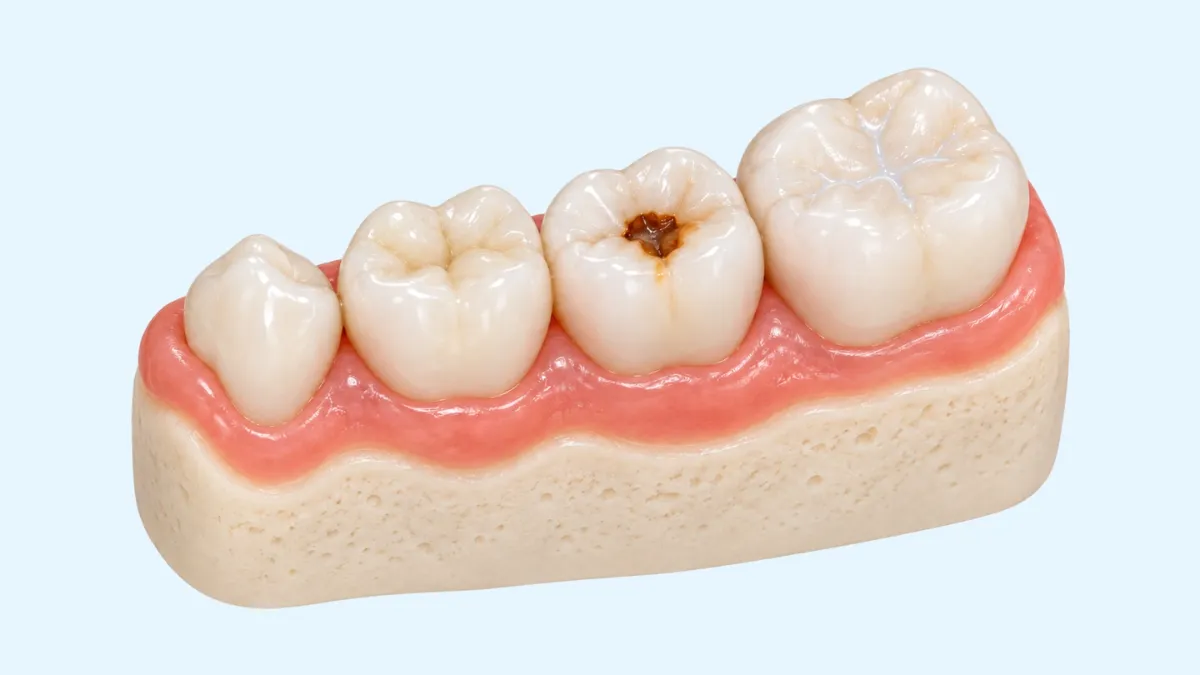
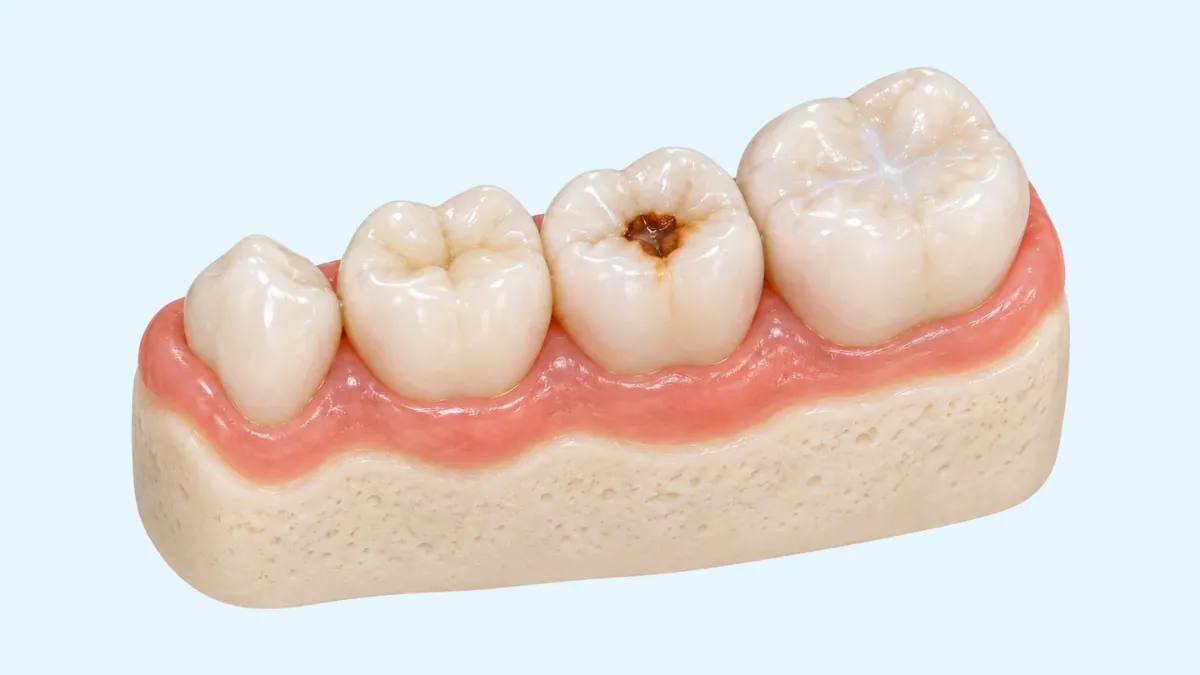
Children's dentist, 3D illustration of a child's lower jaw: deep grooves in a new adult molar, a fissure sealant and fluoride varnish

Treatment at a glanceHow a children's dentist protects new teeth, step by step

Illustration for explanation only. Which of your child's teeth need a sealant or fluoride, and when, our dentist decides at the examination.

The short answer

When should my child first see a children's dentist?

Generally when the first tooth comes through, and by the first birthday at the latest. A children's dentist uses that early visit to check development, let your child get used to the chair and talk through brushing and diet with you. The first experience then isn't an emergency, which is what makes later visits easier.

How it works

  1. Send your photosA few smile photos or a recent X-ray on WhatsApp is enough to start.
  2. Get a written planOur dentists prepare your treatment plan and quote, in writing.
  3. Come to IstanbulWe organise appointments, hotel and transfers around your treatment.
  4. Your treatmentDigital impressions and smile design let you see the plan before anything begins. A coordinator translates in the chair and explains each step.
  5. Stay in touchYour coordinator stays reachable after you've flown home.

Fluoride treatment

Who it suits: Children with a higher risk of decay, or with early chalky spots on the enamel.

What it does: A thin fluoride coating is brushed onto the teeth to help the enamel resist decay, with no drilling or numbing.

About this treatment

Dental sealants

Who it suits: Children whose back teeth have deep grooves on the chewing surface, often soon after the permanent molars come through.

What it does: A thin coating flows into the grooves and is hardened, so food and bacteria can't settle there.

About this treatment

Fillings

Who it suits: Children with a cavity in a milk or permanent tooth that hasn't reached the nerve.

What it does: The decay is removed, usually after the area is numbed, and the tooth is rebuilt with a tooth-coloured filling.

About this treatment

Pulp treatment in milk teeth

Who it suits: Children whose decay in a milk tooth has reached the nerve, sometimes with pain or swelling.

What it does: The affected nerve tissue is removed and the tooth is sealed, so it can stay until it falls out on its own.


Treatment under general anaesthesia

Who it suits: Children who can't manage treatment in the chair because of age, strong fear, extensive treatment or a health need.

What it does: The planned treatment is carried out while your child sleeps, with an anaesthetist looking after the anaesthesia.

Which option suits you is decided at your examination, not on this page.

1 From home

Tell us about your child first

Write to us on WhatsApp or through the form. Tell us your child's age, what's going on and how any earlier dental visits went. If your family is visiting Istanbul, add your dates.

What we ask you

  • Your child's age and any pain or swelling now
  • Health conditions, medication and allergies
  • How your child felt at earlier dental visits
  • Which dates could work for you

What you receive

  • Whether it needs seeing soon or can wait
  • What happens at a first visit
  • A written plan and quote after the examination
  • Your appointment dates

2 Istanbul · First visit

A first visit at your child's pace

  • Arrival and translation. Appointments are arranged around your stay, and a coordinator translates where needed.
  • Getting used to it. Our dentist shows your child the chair, the light and the mirror, and explains each in words they understand.
  • Examination. We check the teeth, gums and how the bite is developing. X-rays are taken only when needed to see decay between teeth or under the surface.
  • Talking with you. We go through brushing, toothpaste and snacks with you, and agree a written plan if treatment is needed.

3 Istanbul · Prevention

Protecting the teeth before decay starts

  • Fluoride. Where it helps, a fluoride coating is painted on. You're told how long your child should wait before eating or drinking.
  • Sealants. Deep grooves in the back teeth are coated and hardened with a light. No numbing or drilling is needed.
  • A brushing lesson. Your child brushes in front of us, and we show you both what to change.

4 Istanbul · Treatment

When a tooth needs treatment

  • Numbing. A numbing gel goes on the gum before the local anaesthesia, so most children feel little of it.
  • What your child can manage. We keep each appointment to what your child can cope with and split treatment across visits if that helps.
  • Fillings and pulp treatment. The decay is removed and the tooth is filled. If decay has reached the nerve of a milk tooth, the affected nerve tissue is treated first.
  • If the chair isn't possible. When treatment can't be done safely awake, our dentist talks with you about general anaesthesia, planned separately with a health check first.

5 At home · Aftercare

Keeping it that way

Daily brushing with your help and regular check-ups keep small problems small. A dentist near your home can do routine check-ups, and you can write to us with questions after you've gone home.

  • Prevention: fluoride and fissure sealants.
  • Repair: fillings in milk and permanent teeth.
  • Pulp treatment: for milk teeth, when decay has reached the nerve.
  • General anaesthesia: when a child can't manage treatment in the chair.

Tell us beforehand. We go at their pace. Sometimes the first appointment is only a look around.

It helps not to promise that “nothing will hurt”, and to skip the word “needle”. We have our own ways of explaining things.

The numb feeling lasts a while after the appointment. Children often don't notice their lip or cheek is numb and chew or suck on it, which can leave a sore patch.

  • Food: wait until the numbness wears off before giving anything that needs chewing.
  • Lips and cheeks: keep an eye on your child so they don't bite or suck them.
  • Tenderness: mild soreness around the tooth is common and usually settles. Ask our dentist which pain relief suits your child.
  • When to call us: swelling that grows, a fever, or pain that gets worse instead of better.

The question parents ask us most is why their child has decay despite brushing. Usually it comes down to how often sugar reaches the teeth, not only how much.

HabitWhat helps
BrushingHelp or supervise until your child can brush thoroughly alone
ToothpasteUse a fluoride toothpaste; we tell you how much suits your child's age
Snacks and sweet drinksKeep them to mealtimes rather than spread through the day
Milk or juice at bedtimeIt stays on the teeth overnight; brush after the last feed where you can
Between mealsWater is the best drink

General anaesthesia isn't the first choice. We suggest it when a child can't manage treatment in the chair and waiting would let decay grow.

Before the day, your child has a health check and the anaesthesia team gives you fasting instructions. On the day, an anaesthetist looks after your child while our dentist completes the planned treatment.

  • Afterwards: drowsiness, a sore throat or feeling sick are common and usually pass. The anaesthesia team tells you when your child can eat and go home.
  • Risks: general anaesthesia carries risks for any child. The anaesthetist explains them before you agree to it.

Paediatric dentistry is the part of dentistry that looks after children's teeth, from the first baby tooth until the adult teeth are in. The treatments are often the same as for adults; what changes is how they are planned and explained.

At each visit our children's dentist looks at more than cavities:

  • Decay risk: how often sugar reaches the teeth, how well they are brushed, and whether brothers or sisters have had decay.
  • Teeth coming and going: whether baby teeth loosen in time and each adult tooth comes through in its place.
  • How your child copes: each appointment is pitched at what your child can manage that day.
  • What you can do at home: small changes are agreed with you, not handed over as a long list.

Most baby teeth loosen and fall out on their own as the adult tooth underneath pushes up. We take one out only when keeping it would cause more trouble than removing it.

If a baby tooth is lost early, our dentist also checks whether the gap needs holding open for the adult tooth.

  • Decay or infection too deep to treat: when pulp treatment can no longer save the tooth.
  • An injury: a baby tooth broken badly after a fall or a knock.
  • A tooth that won't let go: the adult tooth is coming through beside or behind it and the baby tooth isn't loosening.
  • How it is done: a numbing gel first, then local anaesthesia, as for any treatment in our children's chair.

Your treatment journey

Your visit, step by step.

From your first message to the follow-up after you fly home, one coordinator stays with you.

From home

Send your photos

A few smile photos or a recent X-ray on WhatsApp is enough to start.

  • Photos or X-ray on WhatsApp
  • A dentist takes a look

From home

Get a written plan

Our dentists prepare your treatment plan and quote, in writing.

  • Written plan
  • Written quote

Istanbul

Come to Istanbul

We organise appointments, hotel and transfers around your treatment.

  • Airport pick-up
  • Hotel
  • Daily transfers

At the clinic

Your treatment

Digital impressions and smile design let you see the plan before anything begins. A coordinator translates in the chair and explains each step.

  • Digital planning
  • Translation at appointments

Back home

Stay in touch

Your coordinator stays reachable after you've flown home.

  • Coordinator stays reachable

Our dentists

Every dentist at our clinics provides this treatment.

Dt. Veysel Bilge, Head Dentist, Vogue Clinics Istanbul

Dt. Veysel Bilge

Head Dentist · Founder · Ataşehir and Bağdat Caddesi

Dt. Uğur Öğüt, Dentist, Vogue Clinics Istanbul

Dt. Uğur Öğüt

Dentist · Branch director, Bağdat Caddesi

Dt. Melike Yaylakaşı, Dentist, Vogue Clinics Istanbul

Dt. Melike Yaylakaşı

Dentist

Dt. Mazlum Üren, Dentist, Vogue Clinics Istanbul

Dt. Mazlum Üren

Dentist · Aesthetic and prosthetic dentistry

Dt. Emine Karslı Çağlar, Orthodontist, Vogue Clinics Istanbul

Dt. Emine Karslı Çağlar

Orthodontist

Dr. Samet Fatih Gücer, Endodontist, Vogue Clinics Istanbul

Dr. Samet Fatih Gücer

Endodontist

Dt. Burcu İrem Başer, Dentist, Vogue Clinics Istanbul

Dt. Burcu İrem Başer

Dentist · Pediatric dentistry

Dt. Defne İyigün, Dentist, Vogue Clinics Istanbul

Dt. Defne İyigün

Dentist

Dt. İrem Karakaya, Dentist, Vogue Clinics Istanbul

Dt. İrem Karakaya

Dentist · Bağdat Caddesi

Dt. Asel Hoş, Dentist, Vogue Clinics Istanbul

Dt. Asel Hoş

Dentist · PhD programme in Restorative Dentistry

Dt. Kübra Yıldırım, Dentist, Vogue Clinics Istanbul

Dt. Kübra Yıldırım

Dentist

Dt. Didem Yağımlı, Dentist, Vogue Clinics Istanbul

Dt. Didem Yağımlı

Dentist

Dt. Ceren Tiken, Pediatric Dentist, Vogue Clinics Istanbul

Dt. Ceren Tiken

Pediatric Dentist

Dt. Elif Selçuk

Dentist

You can have this treatment at both of our Istanbul clinics: Dental clinic in Ataşehir, Istanbul and Dental clinic in Kadıköy, Bağdat Caddesi.

Common questions

How long can my child see a paediatric dentist?

Paediatric dentistry covers children from the first baby tooth until the adult teeth are in, so the limit depends more on how the teeth develop than on a set age. Once the adult teeth are complete, your child moves on to adult dental care. Our dentist tells you at check-ups which stage your child has reached.

Is a paediatric dentist necessary?

It isn't a rule, but it helps many children. A children's dentist plans and explains treatment at your child's pace, checks decay risk and whether teeth are coming through in their place, and agrees small changes at home with you. For a nervous child, or one who needs more treatment, that approach often makes visits easier.

Why does my child's tooth hurt?

Tooth pain in children most often comes from decay, but a crack after a knock, sore gums or an adult tooth coming through can also cause it. Pain that wakes your child at night, swelling or a fever may point to an infection that needs seeing soon; an examination confirms the cause. Ask our dentist which pain relief suits your child.

Do paediatric dentists do root canals on baby teeth?

Yes, in a form called pulp treatment. When decay in a baby tooth reaches the nerve, the area is numbed, the affected nerve tissue is removed and the tooth is sealed. This lets the tooth stay in place until it falls out on its own, keeping the space for the adult tooth. If the tooth can't be saved, it is taken out instead.

Can baby teeth become permanent?

A baby tooth can stay in place into adulthood, usually when there is no adult tooth underneath to push it out. It remains a baby tooth, though, so how long it lasts varies from person to person. Our dentist checks with an X-ray whether an adult tooth is on its way and whether the baby tooth is worth keeping.

What are the side effects of baby tooth extraction?

The most common are mild soreness and a little bleeding, which usually settle. The numbness lasts a while, and children can bite or suck their lip or cheek without noticing, so keep an eye on them and wait before giving food that needs chewing. Contact us if swelling grows, a fever starts, or pain gets worse instead of better.

What is the difference between baby teeth and adult teeth?

Baby teeth are smaller and have thinner enamel, so decay can spread through them faster. They also hold the space for the adult teeth forming underneath, which is why losing them early can affect how adult teeth come through. Adult teeth are larger and are meant to last for life, so prevention matters from the very first tooth.

How can I ease my baby's teething pain?

Gently rubbing the gums with a clean finger or offering a clean, cool teething ring often helps. Ask your doctor or our dentist before using any gel or medicine, and choose one that suits your baby's age. A high temperature, or a baby who seems unwell, isn't explained by teething alone, so have that checked by a doctor.

Can a dummy damage baby teeth?

Dummies and thumb sucking are normal in young children, and many stop on their own. If the habit carries on as the permanent teeth come through, it can affect the bite and how the front teeth meet. We keep an eye on this at check-ups and talk you through gentle ways to stop if it is needed.

We're visiting Istanbul as a family. Can our child be seen too?

Yes. Tell us your dates and what's going on. If something needs follow-up after you leave, our dentist explains what your dentist at home should check.

This page is for general information and doesn't replace an examination by a dentist.

Start here

Send us a photo of your smile.

A dentist looks at it and we reply with honest options and a written plan. You don't have to commit to anything.

Bağdat Caddesi

5.0 ★ Google
Caddebostan, Şerafettin Sk. No: 2/1 D: 4, 34728 Kadıköy / İstanbul
Get directions

Ataşehir

4.8 ★ Google
Barbaros Mah. Begonya Sok. No: 3/N, Nidakule Kuzey, 34750 Ataşehir / İstanbul
+90 216 606 68 04

Mon–Sat 09:30–18:30

Get directions

Request your treatment plan

We only use your details to answer this request. Your plan is confirmed after a clinical examination. Privacy policy











