
Treatments · Vogue Clinics

Porcelain fused to metal crowns

Crowns with a thin metal inner layer under porcelain, still useful for some back teeth and longer bridges.

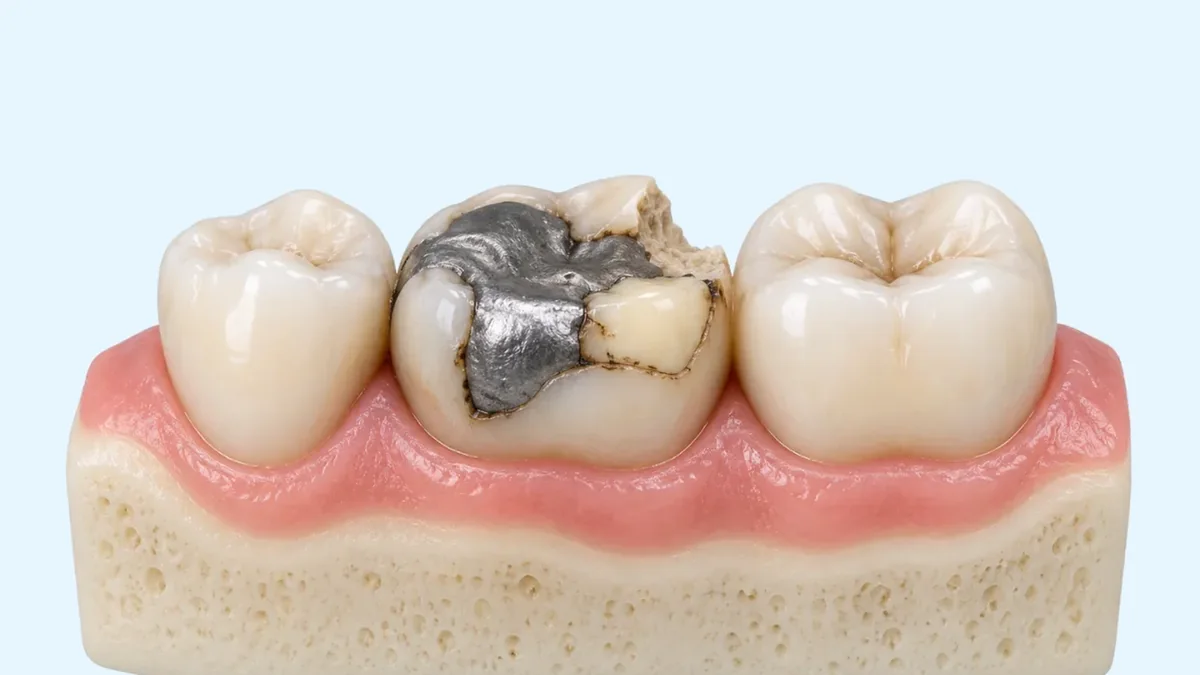
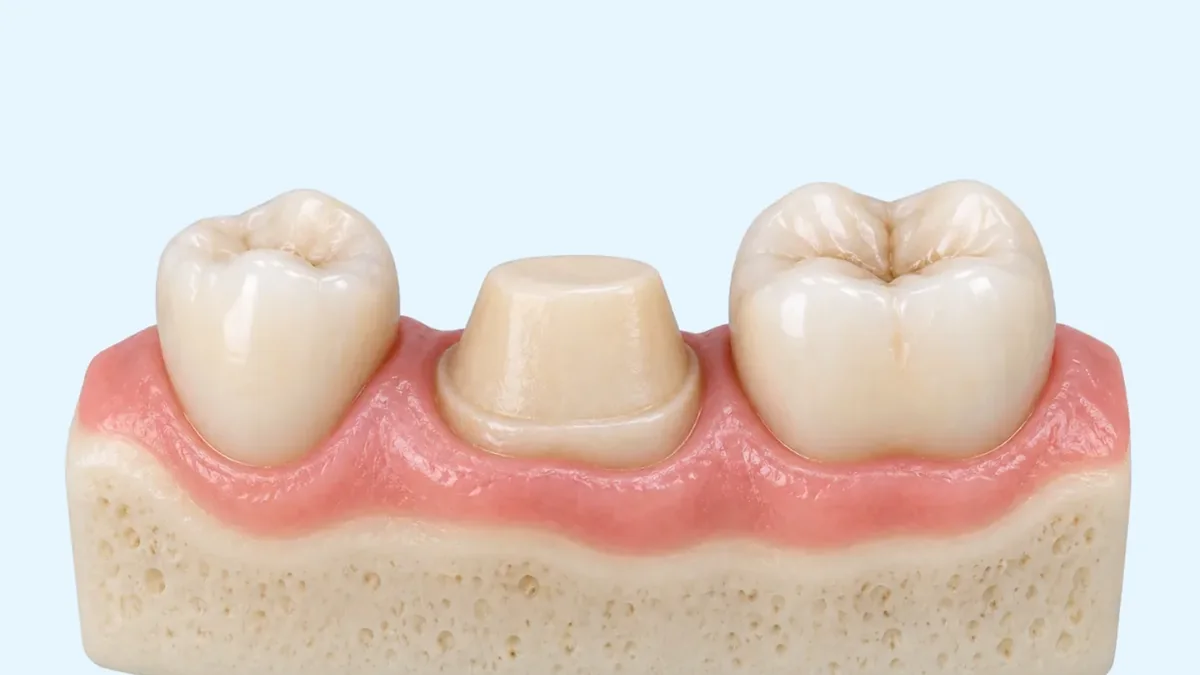
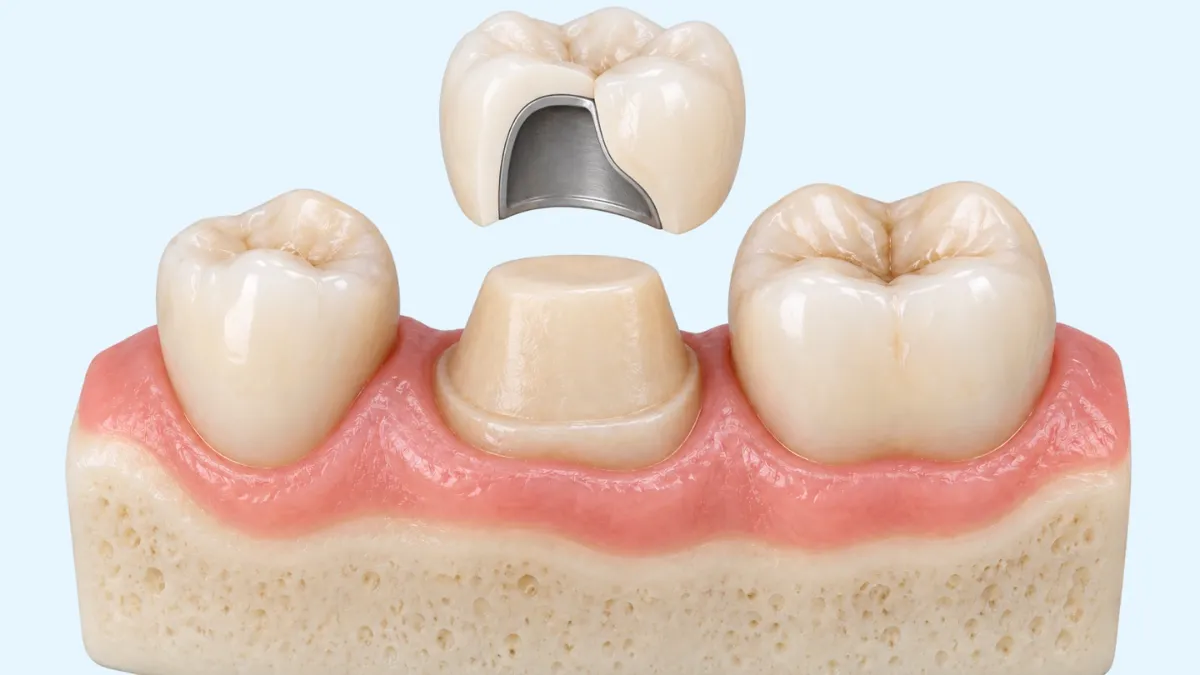
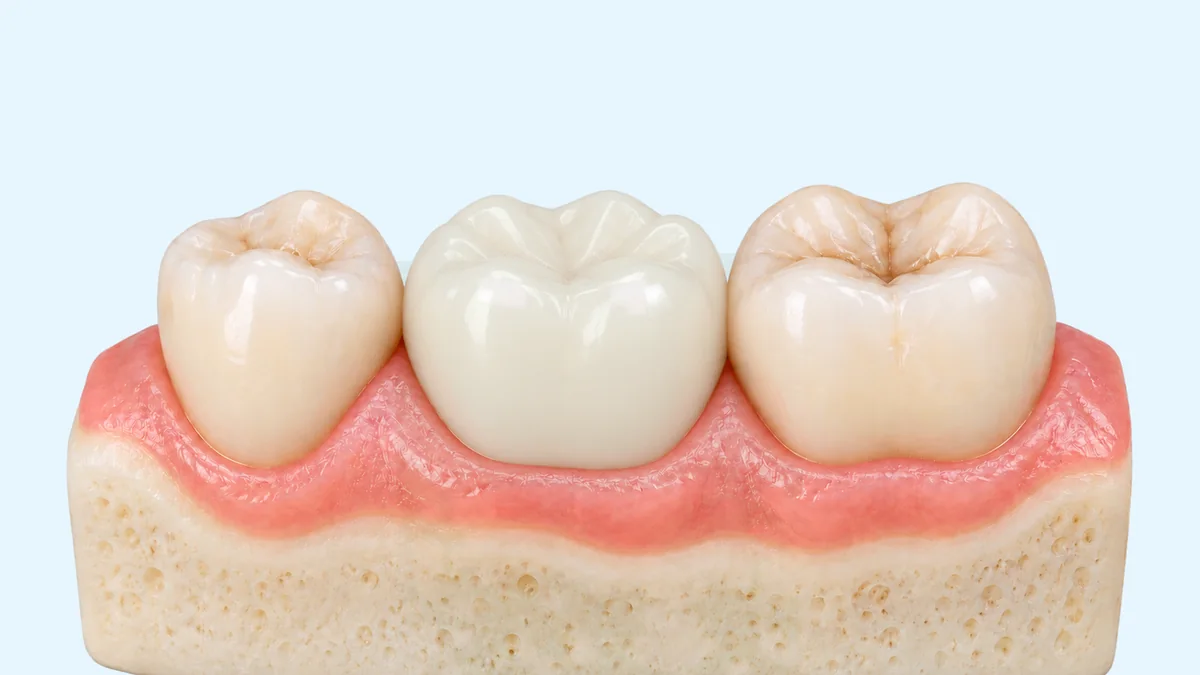
Porcelain-fused-to-metal crown, 3D illustration of a lower back tooth: a weakened tooth is shaped and covered with a metal-supported porcelain crown

Treatment at a glanceHow a porcelain-fused-to-metal crown is fitted, step by step

Illustration for explanation only. Whether a tooth needs a crown, and which material suits it, is decided from your own examination and X-rays.

The short answer

What is a porcelain-fused-to-metal crown and who is it for?

A porcelain-fused-to-metal crown has a thin metal cap inside and tooth-coloured porcelain fired over it. It has a long track record and is strong, which is why it still suits some back teeth and longer bridges. Because metal blocks light, it looks less lifelike than a metal-free crown, so we rarely suggest it for front teeth.

How it works

  1. Send your photosA few smile photos or a recent X-ray on WhatsApp is enough to start.
  2. Get a written planOur dentists prepare your treatment plan and quote, in writing.
  3. Come to IstanbulWe organise appointments, hotel and transfers around your treatment.
  4. Your treatmentDigital impressions and smile design let you see the plan before anything begins. A coordinator translates in the chair and explains each step.
  5. Stay in touchYour coordinator stays reachable after you've flown home.

1 From home

A first answer before you book

Send photos, and an X-ray if you have one, on WhatsApp or through the form. Tell us which tooth is broken or which old crowns worry you, and whether the porcelain has chipped.

What we ask you

  • Photos, and an X-ray if you have one
  • Which teeth are broken or already crowned
  • Any reaction to jewellery or metal
  • Which dates could work for you

What you receive

  • Whether the tooth needs a crown at all
  • Whether metal-supported porcelain or a metal-free crown fits better
  • A written plan and quote
  • A final plan only after your examination

2 Istanbul · Examination

Which material, and why

  • Arrival. Your transfers are arranged around your appointments, as written in your quote.
  • Examination and X-rays. Your dentist checks the tooth, its nerve and the gum, and any old crowns beside it.
  • Material. If metal-supported porcelain is suggested, the plan says why, and you can ask what the alloy contains.
  • Translation. A coordinator translates in the chair and explains each step.

3 Istanbul · Preparation

The tooth is reduced and recorded

  • Local anaesthesia. The tooth is numbed first; most patients feel pressure rather than pain.
  • Reduction. Room is made for both the metal cap and the porcelain over it, so a little more tooth is usually removed than for a single-piece zirconia crown.
  • Scan and temporary. A scan or impression records the tooth and your bite, and a temporary crown protects it.

4 Istanbul · Try-in and fitting

Checked first, then cemented

  • Try-in. The fit at the gum, the contact with the neighbouring teeth, the shade and your bite are checked before cementing.
  • Cementing. The crown is cemented and any excess is cleaned from the gum line.
  • Bite check. High spots are adjusted, because porcelain that takes too much load is more likely to chip.

5 Back home · Aftercare

Looking after a metal-supported crown

Brush twice a day, clean between your teeth and keep up check-ups. If the porcelain chips or a grey edge appears at the gum, show your dentist rather than waiting. Routine check-ups can be done by a dentist near your home, and your coordinator stays reachable.

For most new crowns our dentists now choose zirconia or E.max. Metal-supported porcelain stays on the list for the cases where its strength and long record fit better.

Metal-supported porcelainZirconia
Inner layerA metal alloyTooth-coloured ceramic
LightBlocked by the metalLets some through
At the gum lineA grey edge may show if the gum recedesNo metal to show
Tooth reductionRoom is needed for both metal and porcelainOften less, especially for a single-piece zirconia crown
Longer bridgesA well-known optionAlso widely used; your dentist judges the span

Front teeth, thin gums that may recede and a known metal allergy usually point to a metal-free crown. If jewellery or a watch strap has ever irritated your skin, tell your dentist before anything is planned. In a few situations, though, metal-supported porcelain is a sensible choice.

  • Back teeth that barely show: molars where strength matters more than how the crown looks in a smile.
  • Longer bridges: a metal frame can carry a span across more than one missing tooth. Your dentist weighs this against zirconia for your bite.
  • Matching existing work: when the crowns next to it are metal-supported and are staying, a new one in the same material can sit more evenly beside them.

Most metal-supported crowns give years of service without trouble. These are the points your dentist goes through with you.

  • A grey line at the gum: as the gum recedes over the years, the metal edge can come into view. Some crowns are designed with a porcelain edge to make this less likely.
  • Chipped porcelain: the outer layer can chip, mostly in people who grind. A small chip can sometimes be polished or repaired; a larger one usually means a new crown.
  • A flatter look: an opaque layer hides the metal, so under some light the crown can look less lively than the teeth around it.
  • Metal sensitivity: uncommon, but some alloys contain metals that a few people react to. Ask your dentist what the planned alloy contains.
  • Decay at the edge: as with any crown, brushing, floss and check-ups protect the tooth underneath.

Metal-supported porcelain is also used for bridges, where crowns on the teeth beside a gap carry a false tooth. One metal frame runs through all of them.

A few things work differently from a single crown.

  • The joins: the points where the false tooth meets the crowns carry the most load, so they need enough height. Short teeth or a tight bite may favour another design.
  • A chip affects the whole bridge: if porcelain breaks on one unit, it is repaired with the bridge in place or the bridge is remade.
  • Cleaning: floss threaders or small brushes go under the false tooth every day.
  • The choice: your dentist compares it with a zirconia bridge for the length of the gap and the way you bite.

A chip usually comes from the outer porcelain, not the metal. It may point to one of the causes below; an examination shows which applies to you.

  • Grinding or clenching: especially at night, often without you knowing.
  • Biting something hard: ice, bones, nutshells or bottle tops.
  • A high spot: a crown that meets the opposite tooth first takes more load than the teeth around it.
  • Thin porcelain: where there was little room over the metal.
  • If it happens: keep any piece, chew on the other side and contact us. Your dentist smooths sharp edges and tells you whether a repair will hold.

Your treatment journey

Your visit, step by step.

From your first message to the follow-up after you fly home, one coordinator stays with you.

From home

Send your photos

A few smile photos or a recent X-ray on WhatsApp is enough to start.

  • Photos or X-ray on WhatsApp
  • A dentist takes a look

From home

Get a written plan

Our dentists prepare your treatment plan and quote, in writing.

  • Written plan
  • Written quote

Istanbul

Come to Istanbul

We organise appointments, hotel and transfers around your treatment.

  • Airport pick-up
  • Hotel
  • Daily transfers

At the clinic

Your treatment

Digital impressions and smile design let you see the plan before anything begins. A coordinator translates in the chair and explains each step.

  • Digital planning
  • Translation at appointments

Back home

Stay in touch

Your coordinator stays reachable after you've flown home.

  • Coordinator stays reachable

Our dentists

Every dentist at our clinics provides this treatment.

Dt. Veysel Bilge, Head Dentist, Vogue Clinics Istanbul

Dt. Veysel Bilge

Head Dentist · Founder · Ataşehir and Bağdat Caddesi

Dt. Uğur Öğüt, Dentist, Vogue Clinics Istanbul

Dt. Uğur Öğüt

Dentist · Branch director, Bağdat Caddesi

Dt. Melike Yaylakaşı, Dentist, Vogue Clinics Istanbul

Dt. Melike Yaylakaşı

Dentist

Dt. Mazlum Üren, Dentist, Vogue Clinics Istanbul

Dt. Mazlum Üren

Dentist · Aesthetic and prosthetic dentistry

Dt. Emine Karslı Çağlar, Orthodontist, Vogue Clinics Istanbul

Dt. Emine Karslı Çağlar

Orthodontist

Dr. Samet Fatih Gücer, Endodontist, Vogue Clinics Istanbul

Dr. Samet Fatih Gücer

Endodontist

Dt. Burcu İrem Başer, Dentist, Vogue Clinics Istanbul

Dt. Burcu İrem Başer

Dentist · Pediatric dentistry

Dt. Defne İyigün, Dentist, Vogue Clinics Istanbul

Dt. Defne İyigün

Dentist

Dt. İrem Karakaya, Dentist, Vogue Clinics Istanbul

Dt. İrem Karakaya

Dentist · Bağdat Caddesi

Dt. Asel Hoş, Dentist, Vogue Clinics Istanbul

Dt. Asel Hoş

Dentist · PhD programme in Restorative Dentistry

Dt. Kübra Yıldırım, Dentist, Vogue Clinics Istanbul

Dt. Kübra Yıldırım

Dentist

Dt. Didem Yağımlı, Dentist, Vogue Clinics Istanbul

Dt. Didem Yağımlı

Dentist

Dt. Ceren Tiken, Pediatric Dentist, Vogue Clinics Istanbul

Dt. Ceren Tiken

Pediatric Dentist

Dt. Elif Selçuk

Dentist

You can have this treatment at both of our Istanbul clinics: Dental clinic in Ataşehir, Istanbul and Dental clinic in Kadıköy, Bağdat Caddesi.

Common questions

What does PFM mean?

PFM stands for porcelain fused to metal: tooth-coloured porcelain fired onto a thin metal inner cap. Metal-ceramic crown and metal-supported porcelain crown are other names for the same thing. From the outside it looks like a tooth; the metal gives it strength but blocks light, so it looks less lifelike than a metal-free crown.

Are porcelain-fused-to-metal crowns safe?

For most people, yes; it is a long-standing, well-tried type of crown. The drawbacks to know about are a grey edge if the gum recedes, porcelain that can chip, especially in people who grind, and a slightly duller look. Metal sensitivity is uncommon, but some alloys contain metals a few people react to, so ask which alloy is used.

How long do porcelain-fused-to-metal crowns last?

There is no fixed number of years. Most metal-supported crowns serve well for many years; what usually ends one is decay at the edge, a receding gum or chipped porcelain. Grinding and a high spot on the bite make chipping more likely, which is why the bite is checked at fitting. Daily cleaning, check-ups and a night guard if you grind help it last.

What metal is used in porcelain-fused-to-metal crowns?

The inner cap is a metal alloy, and the alloy can differ from one crown to another. The porcelain fired over it is the tooth-coloured part you see. If metal jewellery or a watch strap has ever irritated your skin, tell your dentist before planning. You can ask what the alloy contains, and where metal is better avoided, a metal-free crown is the usual alternative.

What does a porcelain-fused-to-metal crown look like?

It looks like a tooth-coloured crown, because porcelain covers the metal. Normally the metal doesn't show when you smile, but it can appear as a grey line at the gum if the gum recedes, or through a chip. The opaque layer that hides the metal can make the crown look a little flatter than its neighbours in some lights.

Can a porcelain-fused-to-metal crown be repaired?

Small chips can often be smoothed or patched with tooth-coloured filling material. If the metal shows through or the chip is large, a new crown is usually the better answer. Until you are seen, keep the broken piece, chew on the other side and contact us so the sharp edge can be smoothed.

Are porcelain-fused-to-metal crowns safe for MRI?

Usually, yes; dental crowns are not generally a reason to avoid an MRI scan. The metal can, however, distort images of the head and neck. Tell the radiology team before the scan that you have metal-supported crowns, and they decide whether anything needs to change. If you need to know which alloy your crown contains, ask us.

Are porcelain-fused-to-metal crowns still a good choice?

Yes, in the right place. They are less common for new work now, because metal-free crowns cover most cases, but they remain useful for some back teeth that barely show, longer bridges and teeth next to metal-supported crowns that are staying. For front teeth, thin gums or a metal allergy, your dentist will usually suggest a metal-free crown.

Can a porcelain-fused-to-metal crown go on an implant?

Yes, it is one of the options for a crown on an implant: the crown sits on the abutment, the connecting part fixed to the implant. Zirconia is also widely used there. Your dentist chooses from where the implant sits, how much it shows when you smile and how you bite.

How long do I need to stay in Istanbul for a metal-supported crown?

The crown is made between the preparation and the fitting, so it can't be done in a single appointment. How many days to allow depends on how many teeth are treated; your written plan states it.

This page is for general information and doesn't replace an examination by a dentist.

Start here

Send us a photo of your smile.

A dentist looks at it and we reply with honest options and a written plan. You don't have to commit to anything.

Bağdat Caddesi

5.0 ★ Google
Caddebostan, Şerafettin Sk. No: 2/1 D: 4, 34728 Kadıköy / İstanbul
Get directions

Ataşehir

4.8 ★ Google
Barbaros Mah. Begonya Sok. No: 3/N, Nidakule Kuzey, 34750 Ataşehir / İstanbul
+90 216 606 68 04

Mon–Sat 09:30–18:30

Get directions

Request your treatment plan

We only use your details to answer this request. Your plan is confirmed after a clinical examination. Privacy policy













