
Treatments · Vogue Clinics

Veneers in Istanbul

Thin ceramic shells that change shape and colour with as little removal as possible.

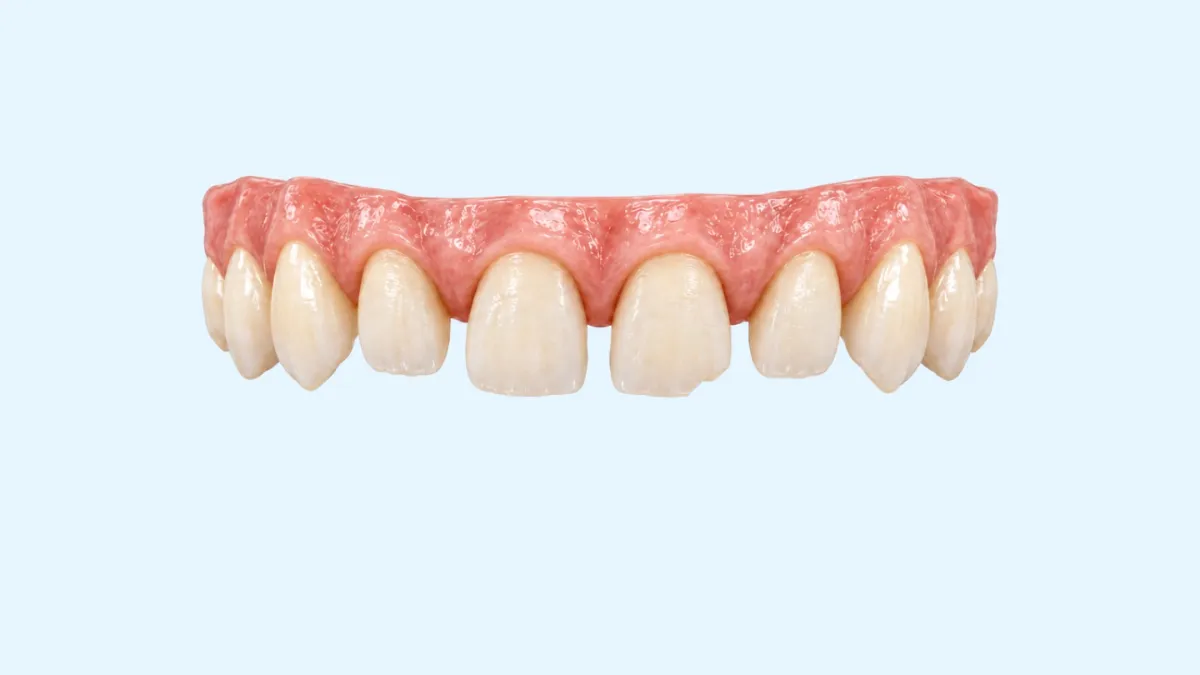
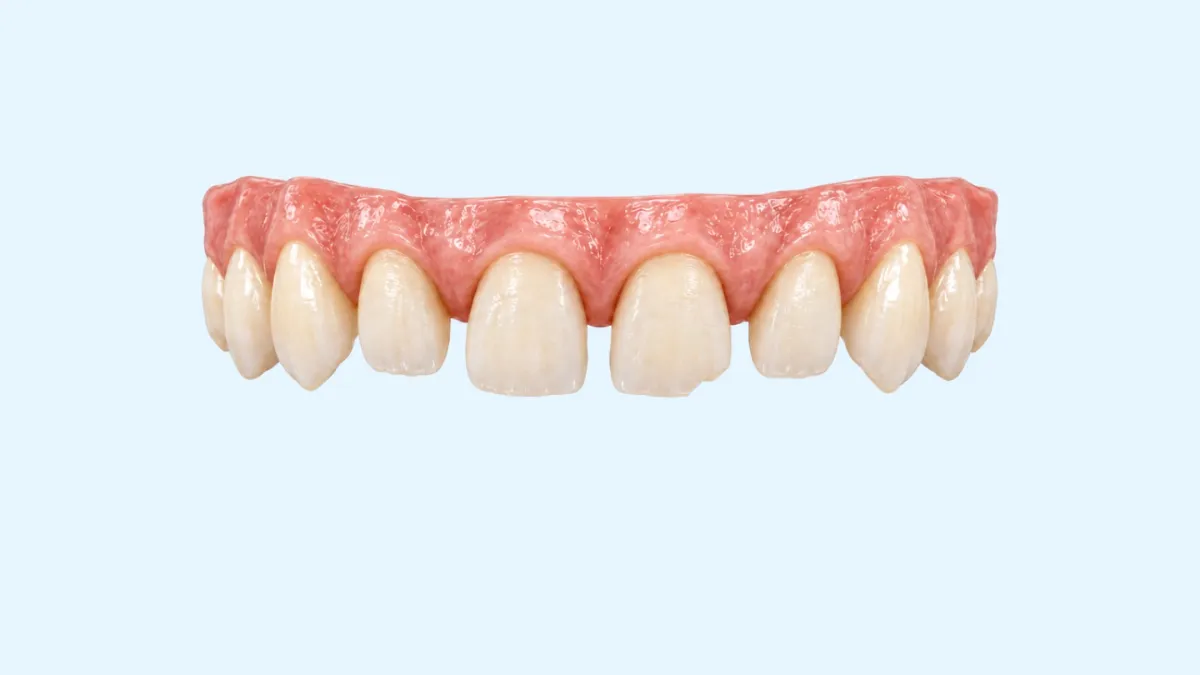
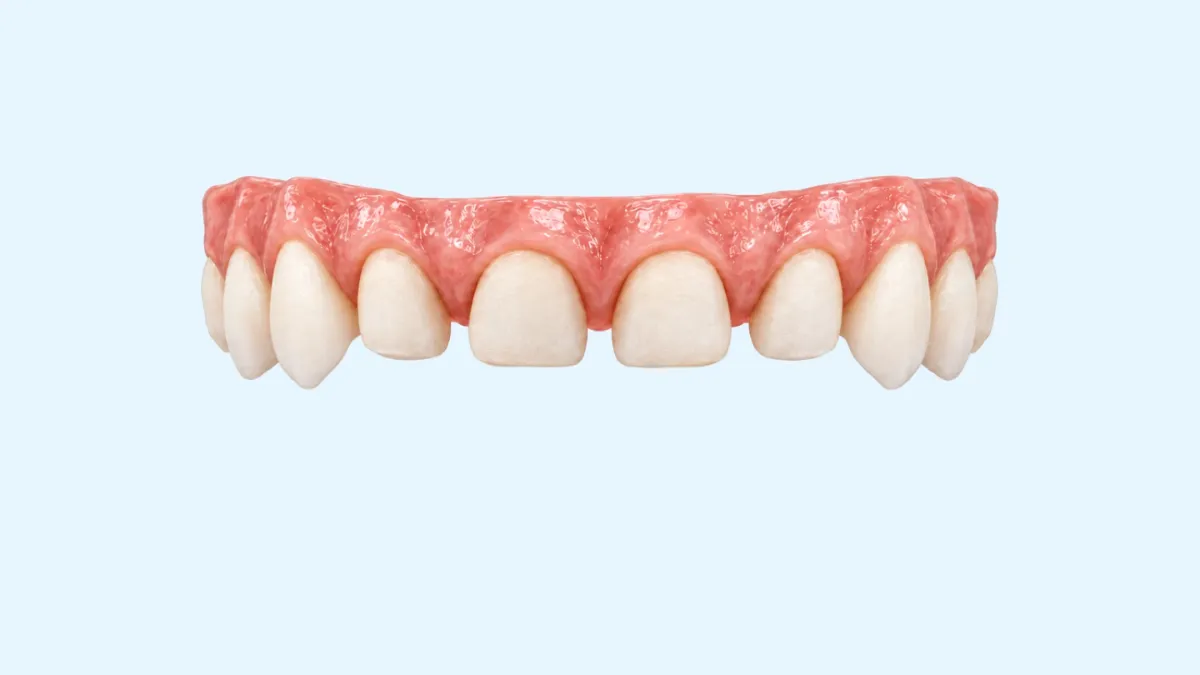
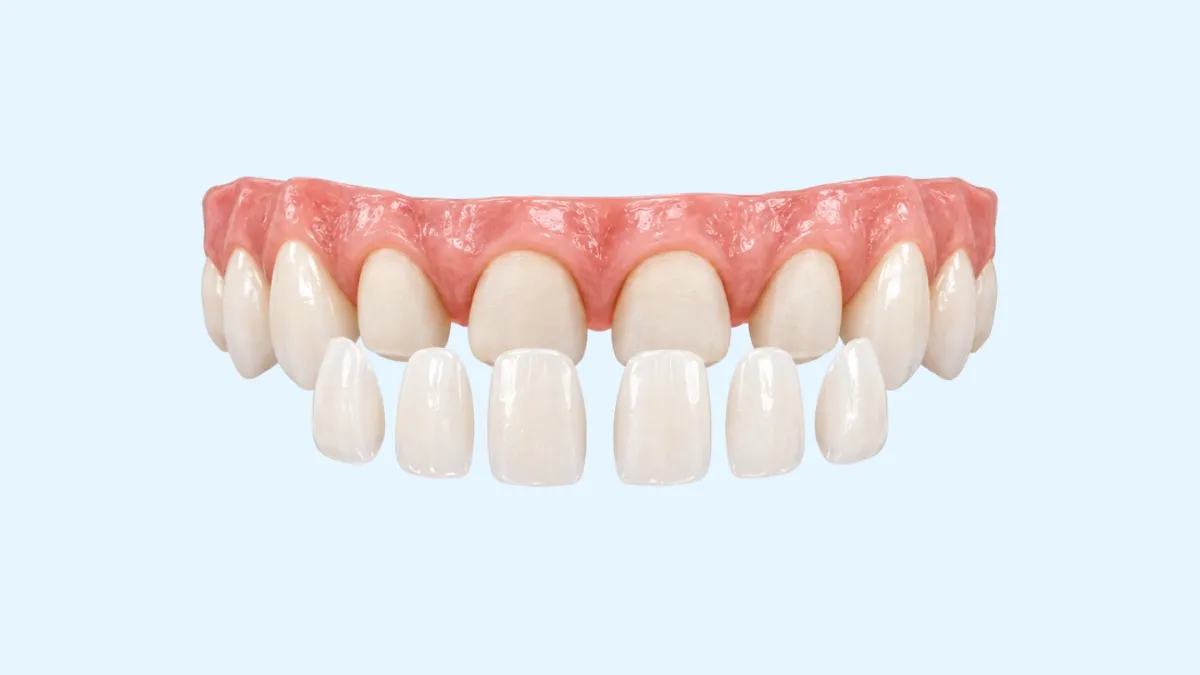
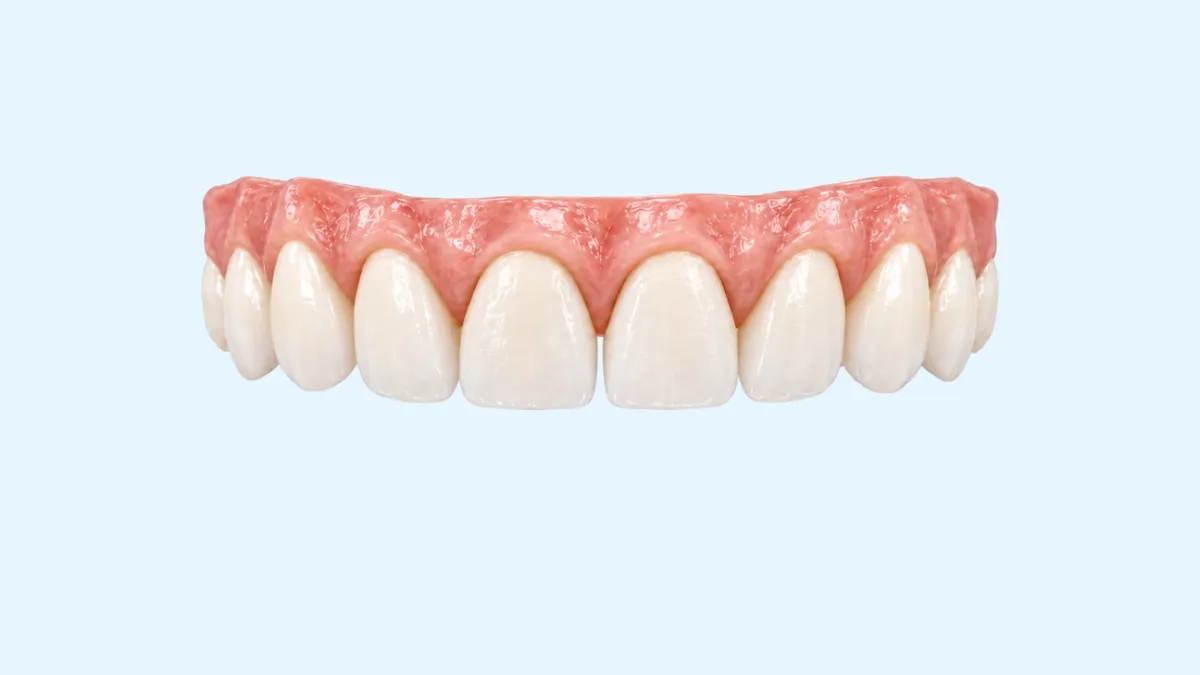
Veneers in Istanbul, 3D illustration of the upper front teeth: veneers are planned, the teeth prepared and the veneers bonded

Treatment at a glanceHow veneers are planned and bonded, step by step

Illustration for explanation only. How many teeth get a veneer, and how much enamel each one needs removed, is decided from your own examination and scan.

The short answer

Are veneers bad for your teeth?

Veneers aren't harmful when they're planned properly, but they're not fully reversible either. Most need a thin layer of enamel removed, and the amount matters. Conservative preparation on healthy teeth has a good long-term record, while heavily prepared teeth carry more risk. Composite veneers are a gentler alternative in some cases.

How it works

  1. Send your photosA few smile photos or a recent X-ray on WhatsApp is enough to start.
  2. Get a written planOur dentists prepare your treatment plan and quote, in writing.
  3. Come to IstanbulWe organise appointments, hotel and transfers around your treatment.
  4. Your treatmentDigital impressions and smile design let you see the plan before anything begins. A coordinator translates in the chair and explains each step.
  5. Stay in touchYour coordinator stays reachable after you've flown home.

Which option suits you is decided at your examination, not on this page.

1 From home

Is a veneer the right fix? A first answer

Send a close-up photo of your front teeth, one of your full smile and one from the side, on WhatsApp or through the form. Tell us which teeth bother you and why. A dentist looks at them before we reply.

What we ask you

  • Close-up photos of your front teeth and your full smile
  • What bothers you: colour, shape, chips or gaps
  • Fillings, crowns or root canals on your front teeth
  • Whether you clench or grind
  • Which dates could work for you

What you receive

  • Whether veneers suit you, or a gentler option would do
  • Ceramic or composite, and why
  • A written plan and quote
  • How many visits you would need in Istanbul
  • A final plan only after your examination

2 Istanbul · First visit

Your teeth checked, the removal explained

  • Arrival. Your airport pick-up, hotel and transfers are arranged around your appointments, as written in your quote.
  • Examination. Your dentist checks for decay and gum inflammation, and looks at your bite and at old fillings on the teeth in question. Anything unhealthy is treated first.
  • How much tooth. Tooth by tooth, your dentist explains whether a thin layer of enamel needs removing and how much. Ask to see it on the design; it's your enamel.
  • Translation. A coordinator translates in the chair and explains each step.

3 Istanbul · Preparation

Removing only what the design needs

  • Local anaesthesia. Where preparation is needed, the teeth are numbed first. Some composite and minimal-preparation cases need no numbing at all.
  • Preparation. A thin layer is shaped from the front surface, guided by the trial design, so nothing is removed that the veneer doesn't need.
  • Scan and shade. The prepared teeth are scanned, and the shade is chosen together with you.
  • Temporaries. Temporary veneers protect the teeth and let you try the shape while the ceramic ones are made.
  • Composite veneers. These are built directly on the tooth, layer by layer, so there is nothing to wait for.

4 In Istanbul · Between appointments

While your veneers are made

Temporaries are held on more lightly than the final veneers, so avoid biting into hard or sticky food with your front teeth. Some sensitivity to cold is common.

Pay attention to how the shape looks and feels. If the length or the edges bother you, tell us at the try-in, while it can still be changed.

5 Istanbul · Fitting

Checked on your teeth, then bonded

  • Try-in. The veneers are placed without being fixed, so you can check shade and shape in daylight. Nothing is bonded until you're happy.
  • Bonding. Each tooth is cleaned and kept dry, and the veneer is bonded to the enamel. The dry field matters: moisture weakens the bond.
  • Finishing. Excess cement is removed at the gum edge and the margins are polished smooth, so they don't collect plaque.
  • Bite check. Your dentist checks your bite, including biting with your front teeth and sliding your jaw forward, and adjusts where needed.

6 Back home · Aftercare

Looking after your veneers

Daily brushing, floss at the edges and regular check-ups keep veneers and the gum around them healthy. Routine check-ups can be done by a dentist near your home, and your coordinator stays reachable after you've flown home.

E.max ceramicDirect composite
MadeIn a lab, over several daysBy hand, in the chair
Tooth removalUsually a thin layerOften little or none
Stain resistanceHighLower over time
RepairUsually replacedOften repairable
  • Heavy teeth grinders: a splint or bite treatment often comes first.
  • Crowded teeth: aligners may reduce how much tooth needs removing.
  • Active decay or gum disease: this has to be treated before anything cosmetic.

Preparation is done under local anaesthesia, so most patients notice vibration and the sound of the instrument rather than pain. Composite and minimal-preparation veneers often need little or no numbing.

Teeth can be sensitive to cold while you wear temporaries and for a short while after bonding. It usually settles. Tell your dentist if it doesn't, or if a tooth starts to ache on its own.

Everyday lifeWhat we advise
Coffee, tea and red wineCeramic resists staining; composite and the edges of your own teeth can still pick up colour
Hard foodUse your back teeth for nuts, crusty bread and anything hard
Nails, pens, ice, opening packetsAvoid them; this is a common way veneers chip
ToothpasteA non-abrasive paste; whitening pastes can dull composite
Contact sportsWear a mouthguard
Grinding at nightAsk your dentist about a night guard

Veneers are a cosmetic treatment, but they are still work on healthy teeth. Most people have no trouble with them. Your dentist goes through this list with you before you decide.

  • Sensitivity: common after preparation and usually temporary. Deeper preparation makes it more likely.
  • A veneer that comes off: usually because the bond failed or the tooth took a heavy knock. An undamaged ceramic veneer can often be bonded again.
  • Chips and cracks: grinding and biting hard objects are the usual causes. A night guard lowers the risk for people who grind.
  • Decay at the edge: the tooth under a veneer can still decay where the two meet, which is why flossing and check-ups matter.
  • Gum changes: if plaque collects at the edge, the gum can become inflamed. Over the years a receding gum can also show the edge of the veneer.
  • The nerve of the tooth: rarely, a heavily prepared tooth becomes inflamed inside and needs root canal treatment.
  • Replacement: a veneer is eventually replaced, and each replacement may take a little more tooth. This is why we start with as little as possible.

A veneer is a thin shell bonded to the front of a tooth to change its colour, shape or length. The tooth underneath stays your own and keeps its root.

Veneers are often compared with crowns and implants, but the three solve different problems. Which one you need depends on how much healthy tooth is left, and whether there is a tooth there at all.

TreatmentWhat it does
VeneerCovers the front of a healthy tooth to change how it looks; usually a thin layer of enamel is removed, sometimes none
CrownCovers the whole tooth to protect one that is broken, heavily filled or root-treated; more of the tooth is shaped
ImplantReplaces a missing tooth with a post in the bone and a crown on top; a veneer can't do this

It depends on the material and on your teeth, so your dentist tells you after the examination and your written plan states it. Composite veneers are built in the chair; ceramic veneers are made between appointments, after the teeth are prepared and scanned.

These are the things that make it longer or shorter:

  • Material: composite has no making stage; ceramic does.
  • How many teeth: a few veneers are simpler to plan and fit than a full row.
  • Treatment first: decay, gum inflammation or a failing filling is dealt with before any veneer.
  • A trial design: trying the shape on your teeth first adds a step, and often saves changes later.
  • Your bite: if you grind, a night guard or bite treatment may come before the veneers.

Your treatment journey

Your visit, step by step.

From your first message to the follow-up after you fly home, one coordinator stays with you.

From home

Send your photos

A few smile photos or a recent X-ray on WhatsApp is enough to start.

  • Photos or X-ray on WhatsApp
  • A dentist takes a look

From home

Get a written plan

Our dentists prepare your treatment plan and quote, in writing.

  • Written plan
  • Written quote

Istanbul

Come to Istanbul

We organise appointments, hotel and transfers around your treatment.

  • Airport pick-up
  • Hotel
  • Daily transfers

At the clinic

Your treatment

Digital impressions and smile design let you see the plan before anything begins. A coordinator translates in the chair and explains each step.

  • Digital planning
  • Translation at appointments

Back home

Stay in touch

Your coordinator stays reachable after you've flown home.

  • Coordinator stays reachable

Before & after

Results vary from person to person. Your treatment is decided after a clinical examination.

Veneers

E.max veneers
E.max veneers

Patients who had this treatment

Veneers

Best dentist in Istanbul

Alina was so nice and helpful, very kind of heart I'm so glad to have met her Hava was very friendly and made us feel at home Also explains you very well the procedure. Tuba who was the dentist, was very professional and did her best to get the best veneers that would suit me and made me feel comfortable.

A. B.Trustpilot · United Kingdom · Jan 2023Read our Google reviews

Professional and excellent service

I visited the clinic in May 2022, I had my teeth whitened, cleaned and also did a minor bonding on my chipped tooth. The team were very professional and friendly. From Start to finish everything was amazing and smooth! They sorted out transfers and hotel for me. The service here is excellent, I love my new smile and I 100% recommend the clinic.

E. M.Trustpilot · United Kingdom · Jun 2022Read our Google reviews

Thank you so much Dr Irem. I had such an amazing root canal and two dental veneers. She is gentle and also not forgetting Deniz who has been helpful I am happy! I am planning on coming back to do a full Hollywood smile, great service!

B. M.Trustpilot · Mar 2022Read our Google reviews

Our dentists

Every dentist at our clinics provides this treatment.

Dt. Veysel Bilge, Head Dentist, Vogue Clinics Istanbul

Dt. Veysel Bilge

Head Dentist · Founder · Ataşehir and Bağdat Caddesi

Dt. Uğur Öğüt, Dentist, Vogue Clinics Istanbul

Dt. Uğur Öğüt

Dentist · Branch director, Bağdat Caddesi

Dt. Melike Yaylakaşı, Dentist, Vogue Clinics Istanbul

Dt. Melike Yaylakaşı

Dentist

Dt. Mazlum Üren, Dentist, Vogue Clinics Istanbul

Dt. Mazlum Üren

Dentist · Aesthetic and prosthetic dentistry

Dt. Emine Karslı Çağlar, Orthodontist, Vogue Clinics Istanbul

Dt. Emine Karslı Çağlar

Orthodontist

Dr. Samet Fatih Gücer, Endodontist, Vogue Clinics Istanbul

Dr. Samet Fatih Gücer

Endodontist

Dt. Burcu İrem Başer, Dentist, Vogue Clinics Istanbul

Dt. Burcu İrem Başer

Dentist · Pediatric dentistry

Dt. Defne İyigün, Dentist, Vogue Clinics Istanbul

Dt. Defne İyigün

Dentist

Dt. İrem Karakaya, Dentist, Vogue Clinics Istanbul

Dt. İrem Karakaya

Dentist · Bağdat Caddesi

Dt. Asel Hoş, Dentist, Vogue Clinics Istanbul

Dt. Asel Hoş

Dentist · PhD programme in Restorative Dentistry

Dt. Kübra Yıldırım, Dentist, Vogue Clinics Istanbul

Dt. Kübra Yıldırım

Dentist

Dt. Didem Yağımlı, Dentist, Vogue Clinics Istanbul

Dt. Didem Yağımlı

Dentist

Dt. Ceren Tiken, Pediatric Dentist, Vogue Clinics Istanbul

Dt. Ceren Tiken

Pediatric Dentist

Dt. Elif Selçuk

Dentist

You can have this treatment at both of our Istanbul clinics: Dental clinic in Ataşehir, Istanbul and Dental clinic in Kadıköy, Bağdat Caddesi.

Common questions

How long do veneers last?

There is no fixed number of years, but with good care veneers can last for many years. Grinding, biting hard objects, gum problems and skipped check-ups shorten that. Ceramic usually keeps its look for longer than composite, which tends to dull and stain over time. Each replacement may take a little more tooth, which is why we start with as little preparation as possible.

Are veneers permanent?

Ceramic veneers are best treated as permanent, because a thin layer of enamel is usually removed and that can't be put back. The veneer itself won't last forever and is eventually replaced. Composite veneers and some minimal-preparation veneers can often be removed with little effect on the tooth, as long as no enamel was taken. Your dentist explains which applies to each tooth before you agree.

Are veneers worth it?

For healthy front teeth that bother you because of colour, shape or small gaps, many people find veneers worth it. They are less suited when the main problem is crooked teeth, active decay or heavy grinding. If whitening, bonding or aligners would get you most of the way with less change to your teeth, your dentist will tell you so before anything is planned.

Do veneers stain?

Ceramic veneers resist staining well, while composite veneers pick up colour from coffee, tea, red wine and smoking over time. With ceramic, the bonding line at the edge and your natural teeth can still stain. Veneers can't be whitened, so if you'd like lighter teeth, whiten them before the veneers are made and have the shade matched to the result.

Can veneers get cavities?

The veneer itself can't decay, but the tooth underneath can, especially where the veneer meets the tooth at the edge. Plaque that collects there can also inflame the gum. That's why daily brushing, flossing at the edges and regular check-ups matter as much with veneers as without them. Small problems at the edge are easier to deal with when they're found early.

Can you eat normally after veneers?

Yes, most people eat normally once the numbness has worn off, with a few habits to keep. Temporaries are held on more lightly, so avoid hard or sticky food with your front teeth while you wear them. After bonding, use your back teeth for nuts, crusty bread and anything hard, and avoid biting ice, pens or packets.

Can veneers fix crooked teeth?

Veneers can hide mild unevenness, but they don't move teeth. Clearly crowded or rotated teeth are usually better aligned first with braces or clear aligners, because covering them with veneers often means filing away much more tooth. After orthodontics, veneers may need far less preparation, or none at all. Your dentist can show both routes on a trial design.

Do veneers cause bad breath?

Veneers don't cause bad breath on their own. Odour usually comes from plaque that collects at a rough or poorly cleaned edge, which can also inflame the gum. Smooth, polished margins, daily brushing, flossing where the veneer meets the gum and regular check-ups prevent this. If you notice a smell that doesn't go away, ask your dentist to check the edges of your veneers.

How many veneers do I need?

Only as many as your smile needs, and often fewer than people expect. Usually it's the teeth that show when you smile broadly, but one or two veneers can be enough if only those teeth bother you. A single veneer is harder to match to natural teeth, so shade and the try-in take more time. Your written plan lists each tooth.

Which veneers look the most natural?

No single material looks most natural on every tooth. E.max and Empress let light through much like enamel and suit most healthy front teeth, while zirconia hides a very dark tooth but looks more opaque. Composite can look natural too, though it dulls over time. Shade and shape, chosen with you at the try-in, matter as much as the material.

Can composite veneers fit into a short trip?

Often, because they're built in the chair with no laboratory stage. How many appointments you need is stated in your written plan.

This page is for general information and doesn't replace an examination by a dentist.

Start here

Send us a photo of your smile.

A dentist looks at it and we reply with honest options and a written plan. You don't have to commit to anything.

Bağdat Caddesi

5.0 ★ Google
Caddebostan, Şerafettin Sk. No: 2/1 D: 4, 34728 Kadıköy / İstanbul
Get directions

Ataşehir

4.8 ★ Google
Barbaros Mah. Begonya Sok. No: 3/N, Nidakule Kuzey, 34750 Ataşehir / İstanbul
+90 216 606 68 04

Mon–Sat 09:30–18:30

Get directions

Request your treatment plan

We only use your details to answer this request. Your plan is confirmed after a clinical examination. Privacy policy













