
Treatments · Vogue Clinics

General dentistry in Istanbul

Fillings, root canal treatment, onlays, whitening and everyday care.

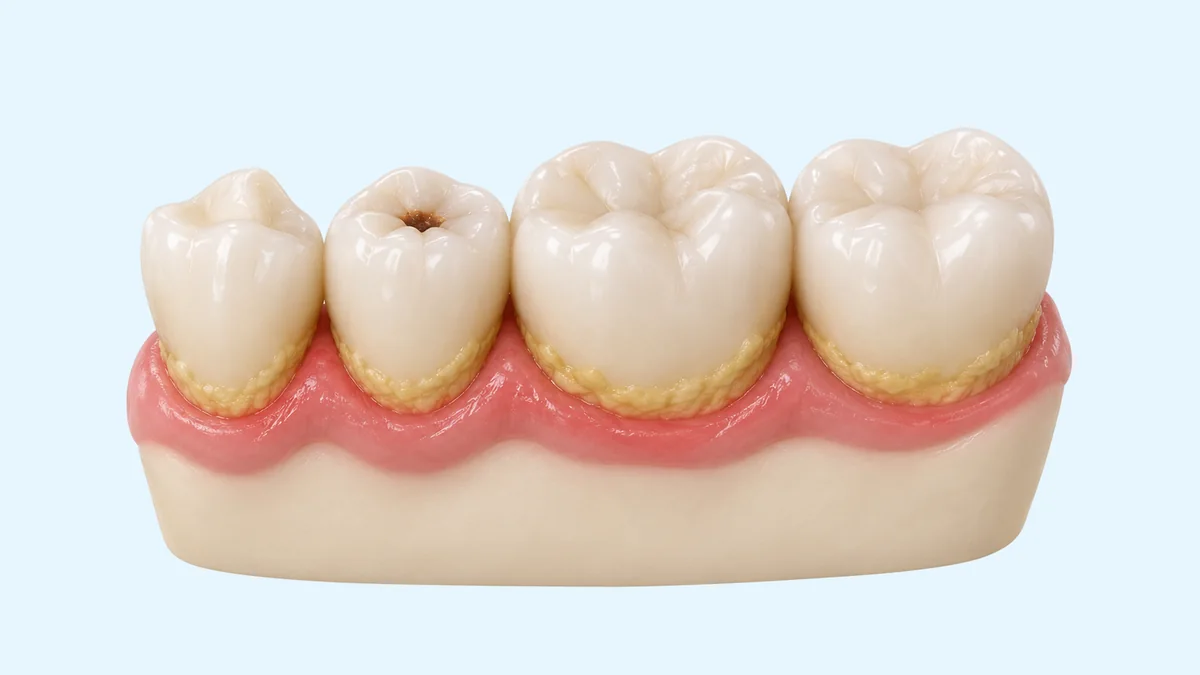
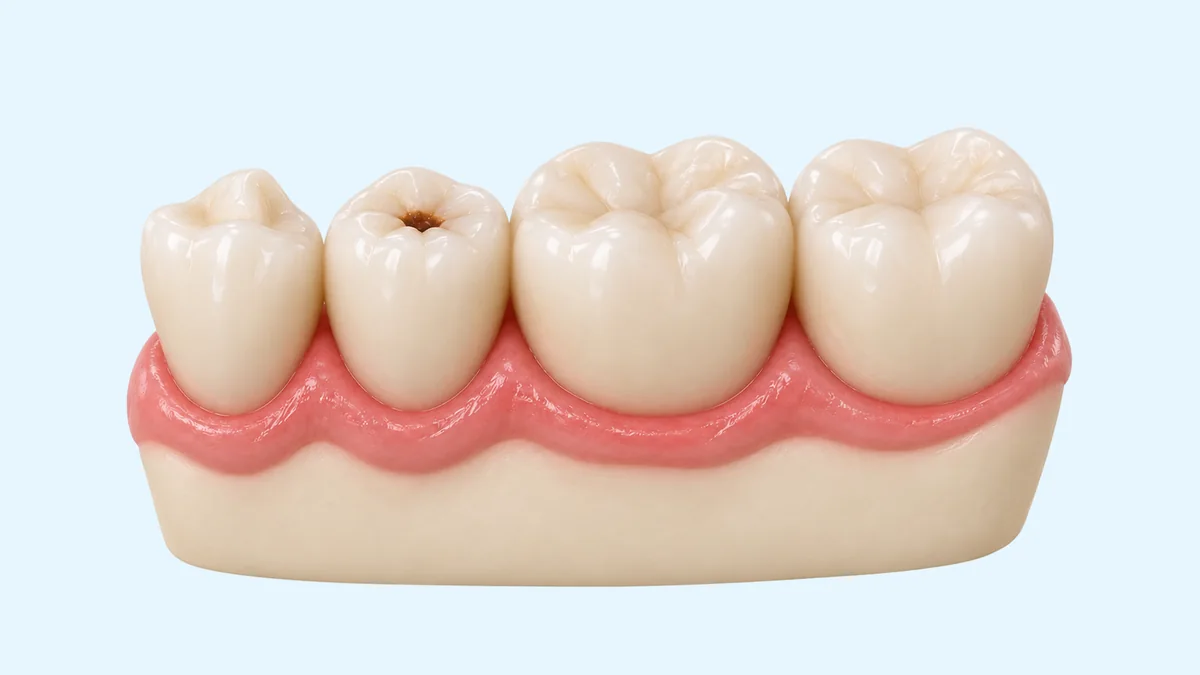
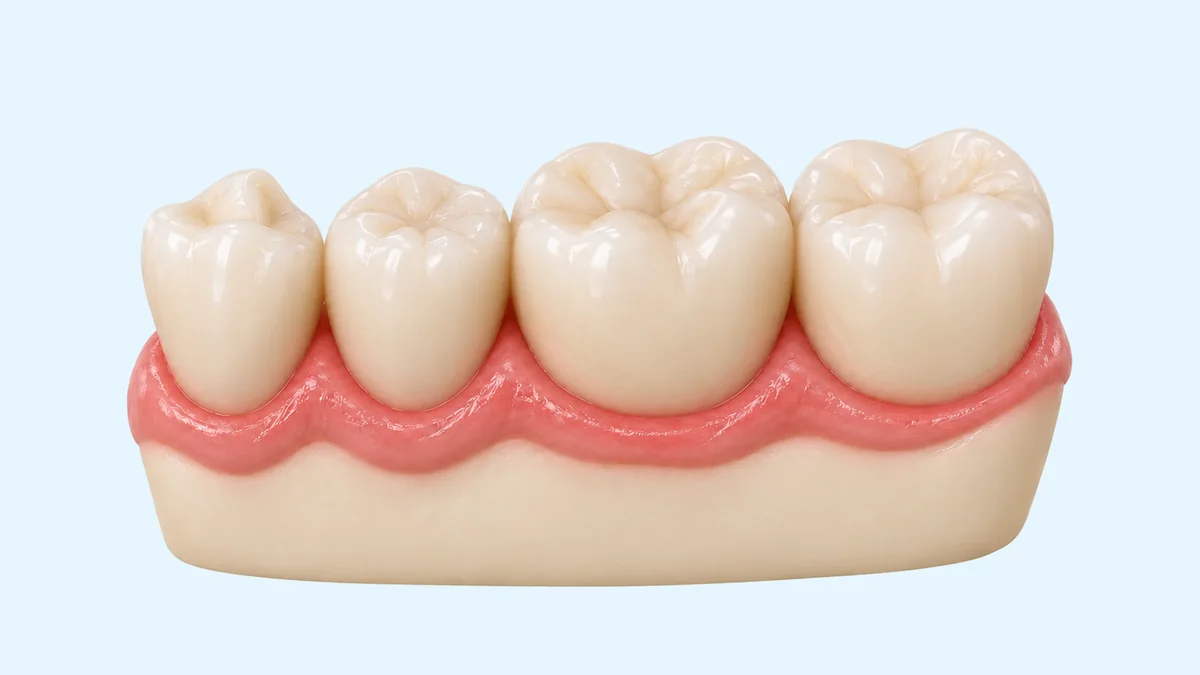
General dentistry check-up, 3D illustration: tartar and a small cavity, cleaned teeth and gums, and a small tooth-coloured filling

Treatment at a glanceHow a dental check-up works, step by step

Illustration for explanation only. What your own teeth need, and in what order, your dentist decides after examining you and reading your X-rays.

The short answer

Can a badly decayed tooth be saved?

Often it can. Depending on how far decay has gone, a filling, an onlay or root canal treatment may keep the tooth in place. In some cases where a root canal would usually be suggested, vital pulp treatment can protect the living nerve. An X-ray and examination show which options are realistic for that tooth.

How it works

  1. Send your photosA few smile photos or a recent X-ray on WhatsApp is enough to start.
  2. Get a written planOur dentists prepare your treatment plan and quote, in writing.
  3. Come to IstanbulWe organise appointments, hotel and transfers around your treatment.
  4. Your treatmentDigital impressions and smile design let you see the plan before anything begins. A coordinator translates in the chair and explains each step.
  5. Stay in touchYour coordinator stays reachable after you've flown home.

1 From home

Start with a message

Write to us on WhatsApp or through the form. Tell us which tooth is bothering you and how: sensitivity, pain, a broken filling, bleeding gums. A dentist reads it before we reply.

What we ask you

  • Which tooth hurts, and if the pain wakes you at night
  • Any swelling, a bad taste or a broken filling
  • Your general health and medication, including blood thinners
  • Recent X-rays, if you have them

What you receive

  • A first view on how urgent it sounds
  • The treatments that may be relevant, explained plainly
  • A written plan and quote after your examination
  • If the work can fit into the time you have in Istanbul

2 Istanbul · First visit

A look at the whole mouth, not only the tooth that hurts

  • Arrival. Your transfers between the hotel and the clinic are arranged around your appointment, as set out in your quote.
  • Examination. Your dentist checks every tooth, your gums and any existing fillings and crowns, then tests the tooth that is bothering you.
  • X-rays. X-rays show decay between the teeth, under old fillings and around the roots, where it can't be seen in the mouth.
  • Options and plan. You hear what each option involves and what may happen if you leave it. The plan and quote are written down, and nothing starts until you agree. A coordinator translates throughout.

3 Istanbul · Cleaning

Starting with healthy gums

  • Why first. Fillings and other work do better on clean teeth and calm gums, so cleaning often comes early in the plan.
  • Tartar removal. Hardened deposits are removed with fine instruments and the teeth are polished. If the gums have formed pockets, your dentist explains the deeper cleaning that may be needed.
  • At home. You're shown the brushing and flossing that suit your teeth.

4 Istanbul · Treatment

Treating each tooth

  • Numbing. Local anaesthesia is used for fillings, root canals and extractions, so most people feel pressure rather than pain. If you're anxious, tell us; we explain each step first.
  • Rubber dam. A thin sheet isolates the tooth, keeping saliva out of fillings and root canals and small instruments away from your throat.
  • Fillings and onlays. A filling is usually finished in the same appointment. An onlay is made from a digital scan and bonded once it is ready; your plan says when.
  • Root canal treatment. The canals are cleaned and sealed, sometimes over more than one appointment. Afterwards the tooth needs a filling, onlay or crown to protect it.

5 Back home · Aftercare

Keeping your teeth that way

Regular check-ups and cleaning catch small problems while they are still small. A dentist near your home can do these, and your coordinator stays reachable for any question about the work we did.

  • Rubber dam dentistry: isolation for cleaner fillings and root canals.
  • Vital pulp treatment: keeping the nerve alive where possible.
  • Digital onlays: for large cavities, instead of a full crown where suitable.
  • Whitening: in the clinic, often alongside other treatment.
  • Gum care and cleaning: the base for everything else.

The question we hear most at a first visit is which treatment a tooth will need. The examination decides, but these patterns give a first idea.

If swelling spreads towards your eye or neck, or comes with a fever or trouble swallowing, seek urgent care the same day.

What you noticeWhat it may point to
Short, sharp sensitivity to cold or sweetEarly decay, a worn area or an exposed root
Pain that lingers after hot or cold, or wakes you at nightAn inflamed nerve; vital pulp or root canal treatment may be needed
Bleeding when you brush or flossGum inflammation; cleaning is usually the first step
A broken filling or a missing piece of toothA new filling, or an onlay if the gap is large
Swelling, a bad taste or a tooth that feels raisedA possible infection at the root; see a dentist soon
  • After a filling: wait until the numbness wears off before eating. If the tooth feels high when you bite, come back for a quick adjustment.
  • After root canal treatment: avoid chewing hard food on that tooth until it has its final filling, onlay or crown.
  • After an extraction: bite on the gauze as shown, don't rinse hard or smoke on the first day, and chew on the other side. Contact us if bleeding doesn't stop with gentle pressure.
  • After cleaning: gums may feel tender for a short while; keep brushing gently.
  • After whitening: teeth pick up stains more easily at first, so go easy on coffee, tea, red wine and smoking.

A check-up looks at your whole mouth, not only at the tooth that bothers you. Most of it needs no numbing at all.

Your general dentist checks the points below and tells you plainly what, if anything, needs attention:

  • Teeth: new decay, worn or cracked areas, and the edges of old fillings and crowns.
  • Gums: bleeding, tartar and, where needed, the depth of the small pockets around each tooth.
  • Bite and jaw: signs of grinding, a jaw that clicks or aches, and teeth that meet unevenly.
  • The rest of the mouth: tongue, cheeks and palate, for anything that should be looked at more closely.
  • X-rays when needed: to see between the teeth and around the roots; your dentist decides whether you need them this time.

There is no single answer for everyone. Your dentist suggests a gap between visits from what they see in your mouth, and changes it if things change.

Your situationWhat it usually means
Healthy teeth and gums, little tartarYour dentist may suggest longer gaps between check-ups
Gums that bleed, or tartar that builds up quicklyMore frequent check-ups and cleaning
Many fillings, crowns or implantsRegular checks of their edges and the gums around them
Braces or alignersExtra attention to cleaning around them
Pregnancy, diabetes or smokingGums may need closer watching

Your treatment journey

Your visit, step by step.

From your first message to the follow-up after you fly home, one coordinator stays with you.

From home

Send your photos

A few smile photos or a recent X-ray on WhatsApp is enough to start.

  • Photos or X-ray on WhatsApp
  • A dentist takes a look

From home

Get a written plan

Our dentists prepare your treatment plan and quote, in writing.

  • Written plan
  • Written quote

Istanbul

Come to Istanbul

We organise appointments, hotel and transfers around your treatment.

  • Airport pick-up
  • Hotel
  • Daily transfers

At the clinic

Your treatment

Digital impressions and smile design let you see the plan before anything begins. A coordinator translates in the chair and explains each step.

  • Digital planning
  • Translation at appointments

Back home

Stay in touch

Your coordinator stays reachable after you've flown home.

  • Coordinator stays reachable

Our dentists

Every dentist at our clinics provides this treatment.

Dt. Veysel Bilge, Head Dentist, Vogue Clinics Istanbul

Dt. Veysel Bilge

Head Dentist · Founder · Ataşehir and Bağdat Caddesi

Dt. Uğur Öğüt, Dentist, Vogue Clinics Istanbul

Dt. Uğur Öğüt

Dentist · Branch director, Bağdat Caddesi

Dt. Melike Yaylakaşı, Dentist, Vogue Clinics Istanbul

Dt. Melike Yaylakaşı

Dentist

Dt. Mazlum Üren, Dentist, Vogue Clinics Istanbul

Dt. Mazlum Üren

Dentist · Aesthetic and prosthetic dentistry

Dt. Emine Karslı Çağlar, Orthodontist, Vogue Clinics Istanbul

Dt. Emine Karslı Çağlar

Orthodontist

Dr. Samet Fatih Gücer, Endodontist, Vogue Clinics Istanbul

Dr. Samet Fatih Gücer

Endodontist

Dt. Burcu İrem Başer, Dentist, Vogue Clinics Istanbul

Dt. Burcu İrem Başer

Dentist · Pediatric dentistry

Dt. Defne İyigün, Dentist, Vogue Clinics Istanbul

Dt. Defne İyigün

Dentist

Dt. İrem Karakaya, Dentist, Vogue Clinics Istanbul

Dt. İrem Karakaya

Dentist · Bağdat Caddesi

Dt. Asel Hoş, Dentist, Vogue Clinics Istanbul

Dt. Asel Hoş

Dentist · PhD programme in Restorative Dentistry

Dt. Kübra Yıldırım, Dentist, Vogue Clinics Istanbul

Dt. Kübra Yıldırım

Dentist

Dt. Didem Yağımlı, Dentist, Vogue Clinics Istanbul

Dt. Didem Yağımlı

Dentist

Dt. Ceren Tiken, Pediatric Dentist, Vogue Clinics Istanbul

Dt. Ceren Tiken

Pediatric Dentist

Dt. Elif Selçuk

Dentist

You can have this treatment at both of our Istanbul clinics: Dental clinic in Ataşehir, Istanbul and Dental clinic in Kadıköy, Bağdat Caddesi.

Common questions

How long does a dental check-up take?

It depends on your mouth, whether X-rays are needed and how much there is to talk through. A routine check-up in a healthy mouth is usually short. A first examination takes longer, because your dentist looks at every tooth, your gums and your bite. If treatment is needed, your written plan sets out when it will be done.

Does a dental check-up hurt?

No, a check-up is not usually painful, and most steps need no numbing at all. Your dentist looks with a small mirror and gently checks your teeth and gums. Inflamed gums can feel tender when the pockets are measured, and a sensitive tooth may twinge during a test; tell your dentist and they will go more gently.

Does a dental check-up include X-rays?

Not always. Your dentist decides from your teeth, your history and when your last X-rays were taken. X-rays show decay between the teeth, under old fillings and around the roots, which can't be seen in the mouth. If you have recent ones, bring them along so they don't need repeating.

Why are dental check-ups important if nothing hurts?

Because early decay and gum inflammation often cause no pain at all. A check-up finds them while a small filling or a cleaning is enough, rather than later, when the same tooth might need a root canal or an extraction. Your dentist also checks old fillings, your bite and the soft tissues of the mouth.

How long after a dental check-up can I eat?

After a check-up on its own you can usually eat and drink straight away, as nothing is numbed. If you also had a cleaning, eating is generally fine too, though your teeth may be briefly sensitive to hot or cold. If any treatment was done with local anaesthetic, wait until the numbness wears off so you don't bite your cheek or lip.

Why does my tooth hurt after a dental check-up?

A tooth can feel tender for a short while if a sensitive spot was tested or tartar was removed from around it, and this usually settles on its own. If the ache carries on, gets worse or wakes you at night, contact us. It may point to a problem that needs a closer look, and an examination will show what it is.

What is the difference between a dental consultation and a check-up?

A check-up is a routine examination of the whole mouth, usually when nothing in particular is wrong. A consultation is about a specific problem or treatment, such as a painful tooth or a missing one, and ends with the options explained. In practice the two overlap: we always look at the whole mouth, not just the tooth that brought you in.

How long does local anaesthetic last at the dentist?

The numbness usually wears off later the same day. How long it lasts depends on the type and amount of anaesthetic and where it was given; injections for lower back teeth often numb a wider area for longer. Until feeling returns, avoid hot drinks and chewing, so you don't burn or bite your lip, tongue or cheek.

Is a dentist a real doctor?

Yes. A dentist has completed a university degree in dentistry and is trained to diagnose and treat diseases of the teeth, gums and mouth. Dentists give local anaesthetic, take and read X-rays and can prescribe medicines related to dental treatment. You can read about each of our dentists' education and the areas they focus on in their profiles.

Can I have a root canal or an extraction during a short trip?

Often, yes. Some root canals need more than one appointment, and after an extraction your dentist tells you when it's safe to fly. Your plan sets out how many days to allow.

This page is for general information and doesn't replace an examination by a dentist.

Start here

Send us a photo of your smile.

A dentist looks at it and we reply with honest options and a written plan. You don't have to commit to anything.

Bağdat Caddesi

5.0 ★ Google
Caddebostan, Şerafettin Sk. No: 2/1 D: 4, 34728 Kadıköy / İstanbul
Get directions

Ataşehir

4.8 ★ Google
Barbaros Mah. Begonya Sok. No: 3/N, Nidakule Kuzey, 34750 Ataşehir / İstanbul
+90 216 606 68 04

Mon–Sat 09:30–18:30

Get directions

Request your treatment plan

We only use your details to answer this request. Your plan is confirmed after a clinical examination. Privacy policy












