Whitening in the clinic
Who it suits: For yellowed natural teeth, if you'd like the change to come sooner and under your dentist's eye.
What it does: Your dentist covers your gums and applies the whitening gel in the chair.

Treatments · Vogue Clinics
Lightening the colour of your natural teeth with a whitening gel, after a dentist has checked that your teeth and gums are ready for it.

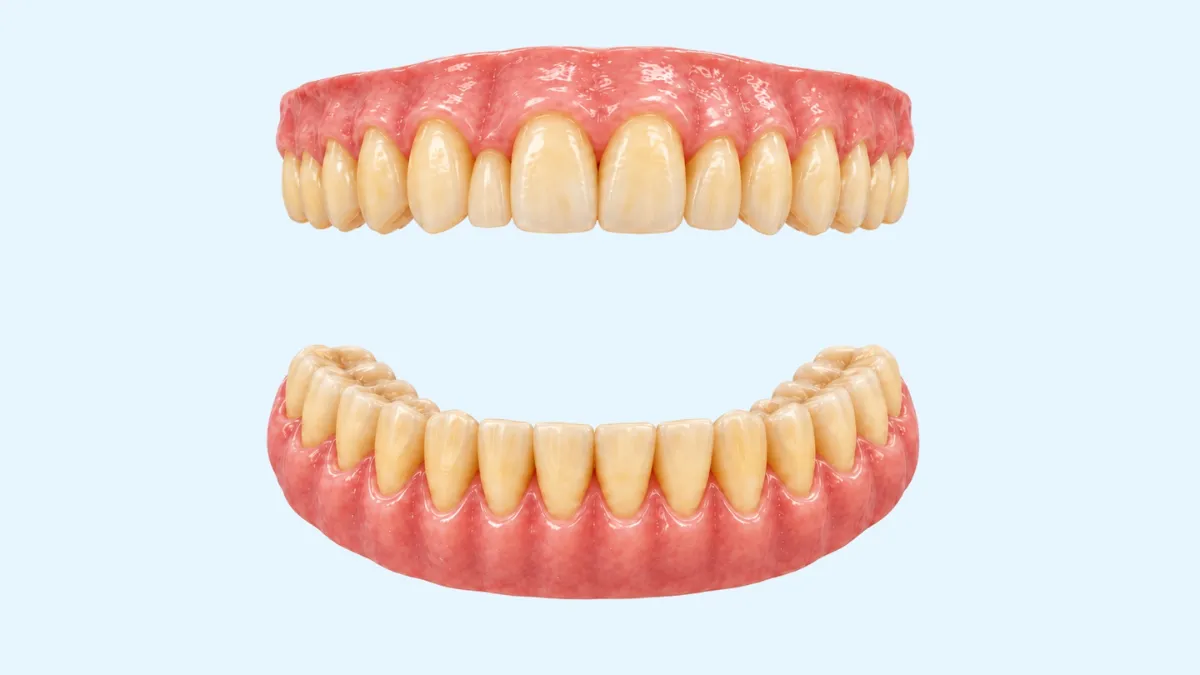
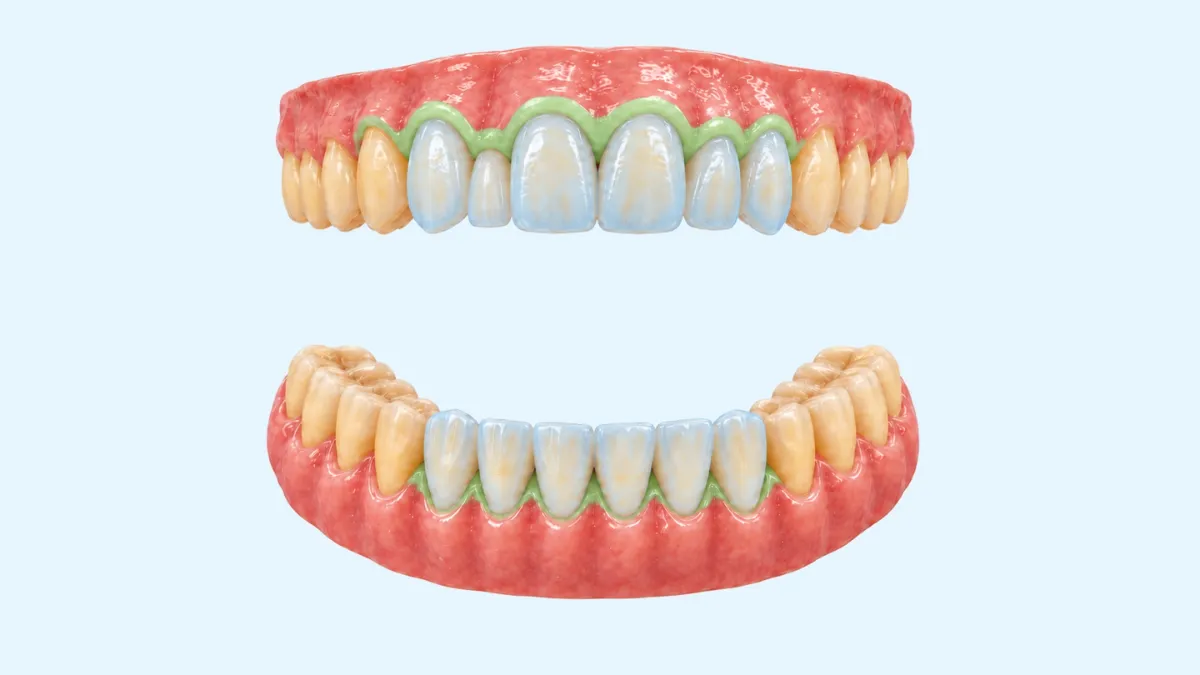
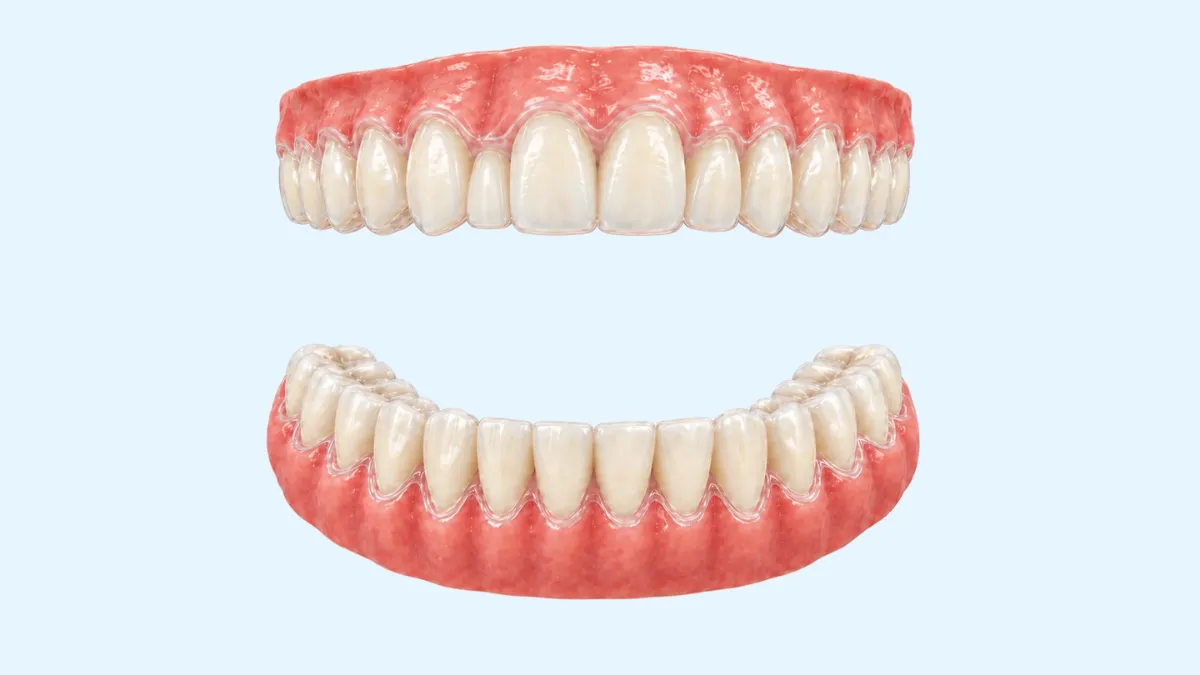
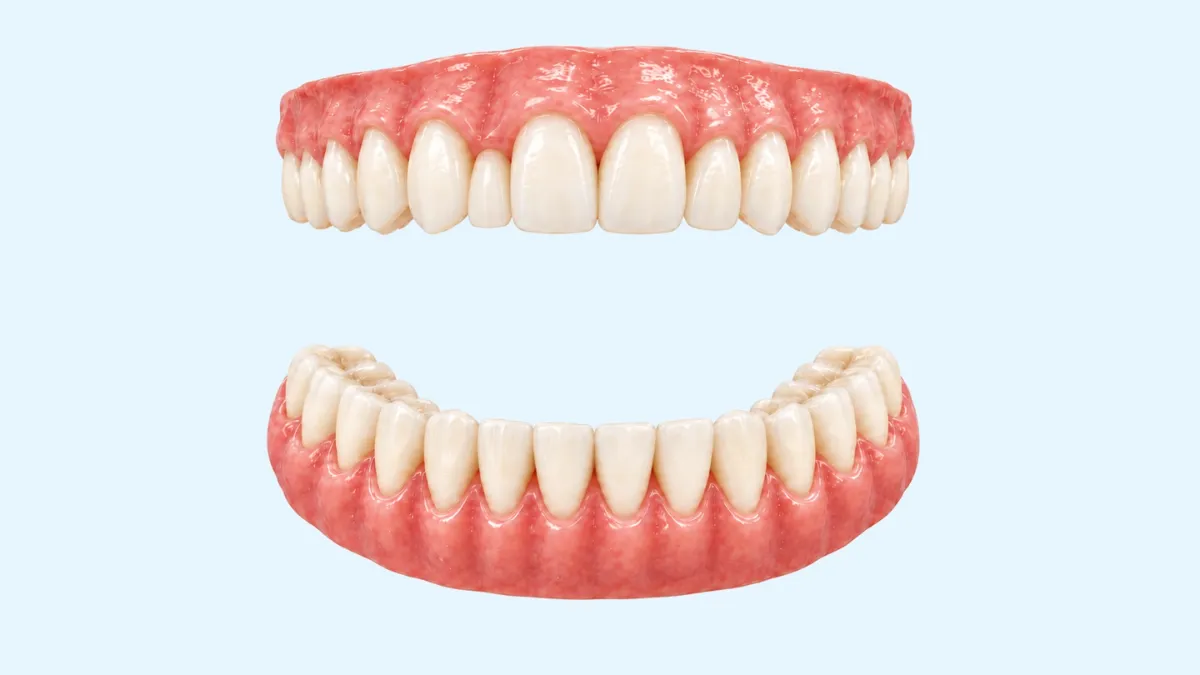
Illustration for explanation only. How much lighter your teeth can get depends on your own teeth; your dentist tells you what to expect after checking them.
Will teeth whitening work on my teeth, and is it safe?
Teeth whitening lightens natural enamel, so it usually works best on teeth that have yellowed with age, coffee, tea or smoking. It doesn't change crowns, fillings or veneers. Under a dentist's supervision it is a gentle treatment for most people, though sensitivity during and after it is common. Results vary from person to person.
Which option suits you is decided at your examination, not on this page.
Send a photo of your smile in daylight on WhatsApp or through the form, and tell us whether you have crowns, veneers or fillings at the front.
There are two usual ways to whiten, and some people use both. Your dentist tells you which suits your teeth and how sensitive they are.
| In the clinic | At home with trays | |
|---|---|---|
| Who applies the gel | Your dentist, with your gums covered first | You, following your dentist's instructions |
| Trays | Not needed | Made for your mouth from an impression or scan |
| How the change comes | Usually sooner | Gradually |
| Sensitivity | Can be stronger for a short time | Often milder, but it can still occur |
Sensitivity is the side effect people notice most. It usually feels like short, sharp twinges with cold and fades in the days after treatment. If it's strong, tell us: your dentist can change the gel, space out the sessions or suggest a toothpaste for sensitive teeth.
For the first days after whitening, teeth pick up colour more easily. A simple rule helps: if it would stain a white shirt, keep it away from your teeth for now. Your dentist tells you how long to be careful.
| Usually fine | Better avoided at first |
|---|---|
| Water, milk and plain yoghurt | Coffee, tea, cola and red wine |
| Chicken, white fish, rice, pasta and potatoes | Tomato sauce, soy sauce, curry and beetroot |
| White cheese, eggs and bread | Cherries, blackberries and pomegranate |
| Lukewarm food and drink | Very hot or very cold drinks, if your teeth are sensitive |
| Bananas and pears | Citrus fruit and fizzy drinks, which can add to sensitivity |
Your treatment journey
From your first message to the follow-up after you fly home, one coordinator stays with you.
From home
A few smile photos or a recent X-ray on WhatsApp is enough to start.
From home
Our dentists prepare your treatment plan and quote, in writing.
Istanbul
We organise appointments, hotel and transfers around your treatment.
At the clinic
Digital impressions and smile design let you see the plan before anything begins. A coordinator translates in the chair and explains each step.
Back home
Your coordinator stays reachable after you've flown home.
Every dentist at our clinics provides this treatment.

Head Dentist · Founder · Ataşehir and Bağdat Caddesi

Dentist · Branch director, Bağdat Caddesi

Dentist

Dentist · Aesthetic and prosthetic dentistry

Orthodontist

Endodontist

Dentist · Pediatric dentistry

Dentist

Dentist · Bağdat Caddesi

Dentist · PhD programme in Restorative Dentistry

Dentist

Dentist

Pediatric Dentist
Dentist
You can have this treatment at both of our Istanbul clinics: Dental clinic in Ataşehir, Istanbul and Dental clinic in Kadıköy, Bağdat Caddesi.
There is no fixed answer, and whitening isn't permanent: colour returns gradually. It comes back faster with coffee, tea, red wine and smoking. Daily brushing and regular cleaning appointments help you keep the result longer, and your dentist can tell you whether an occasional top-up suits your teeth.
Whitening done under a dentist's supervision and as instructed doesn't usually damage enamel; the side effect people notice most is temporary sensitivity. Problems tend to come from unsupervised use: trays that don't fit can let gel reach the gums, and abrasive powders used often may wear the enamel. Have your teeth checked before you start.
Most people feel sensitivity rather than pain. It usually comes as short, sharp twinges with cold, can be stronger for a short time after in-clinic whitening and is often milder with home trays. Gel on an open cavity or sore gum does hurt, which is why those are treated first. Tell us if you feel twinges; the gel or timing can be changed.
It usually fades in the days after treatment, though how long varies from person to person. Lukewarm food and drink, a toothpaste for sensitive teeth that your dentist suggests and a short pause in home whitening usually help. If the twinges are strong or don't settle, contact us; your dentist can change the gel or space out the sessions.
Not in the sense of changing the tooth's own colour, but it can make teeth look brighter. A scale and polish removes tartar, plaque and surface stains from coffee, tea or smoking, which shows the real colour underneath. Whitening then lightens the enamel itself. Sometimes the cleaning alone gives the change people were hoping for.
It depends on the method and on how your teeth respond. In-clinic whitening usually brings the change sooner, while home whitening with custom trays lightens the teeth gradually. Your dentist tells you how many sessions you are likely to need before you start, and the appointments are listed in your written plan.
Whitening gel can irritate the gums where it touches them, sometimes leaving a white or sore patch that usually fades. That is why your dentist covers your gums before in-clinic whitening, and why home trays are made for your mouth. Tell us if a patch doesn't fade, and mention any receding or sore gums before you start.
In a dental clinic the two words usually mean the same treatment: a gel that lightens the colour of natural enamel. 'Whitening' is also used more loosely for products that only remove surface stains, such as whitening toothpastes. Bleaching gel doesn't change crowns, fillings or veneers, so your dentist checks those before you start.
Usually, yes, once treatment has finished. Whitening is generally done after braces come off, so the enamel that was under the brackets lightens evenly with the rest. Your dentist first checks for white marks, decay or sore gums, which are treated before whitening. If you wear a bonded retainer, mention it so the plan takes it into account.
Whitening toothpastes mainly remove surface stains; they don't change the colour inside the tooth. Shop kits and strips that aren't made for your mouth can let gel reach the gums, and results vary. Whichever product you choose, have your teeth checked first, because whitening over decay or sore gums can hurt and make things worse.
In-clinic whitening often can, and it can be planned alongside other treatment. How many appointments you need is stated in your written plan.
This page is for general information and doesn't replace an examination by a dentist.
Start here
A dentist looks at it and we reply with honest options and a written plan. You don't have to commit to anything.
Mon–Sat 09:30–18:30
Get directions