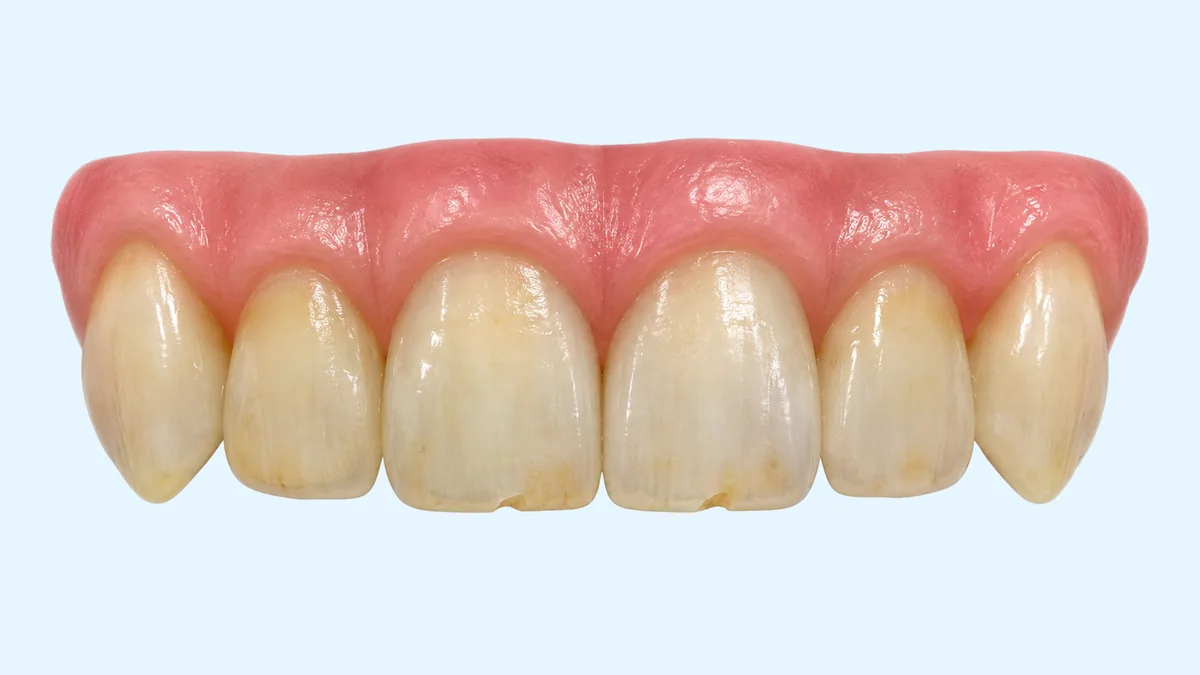
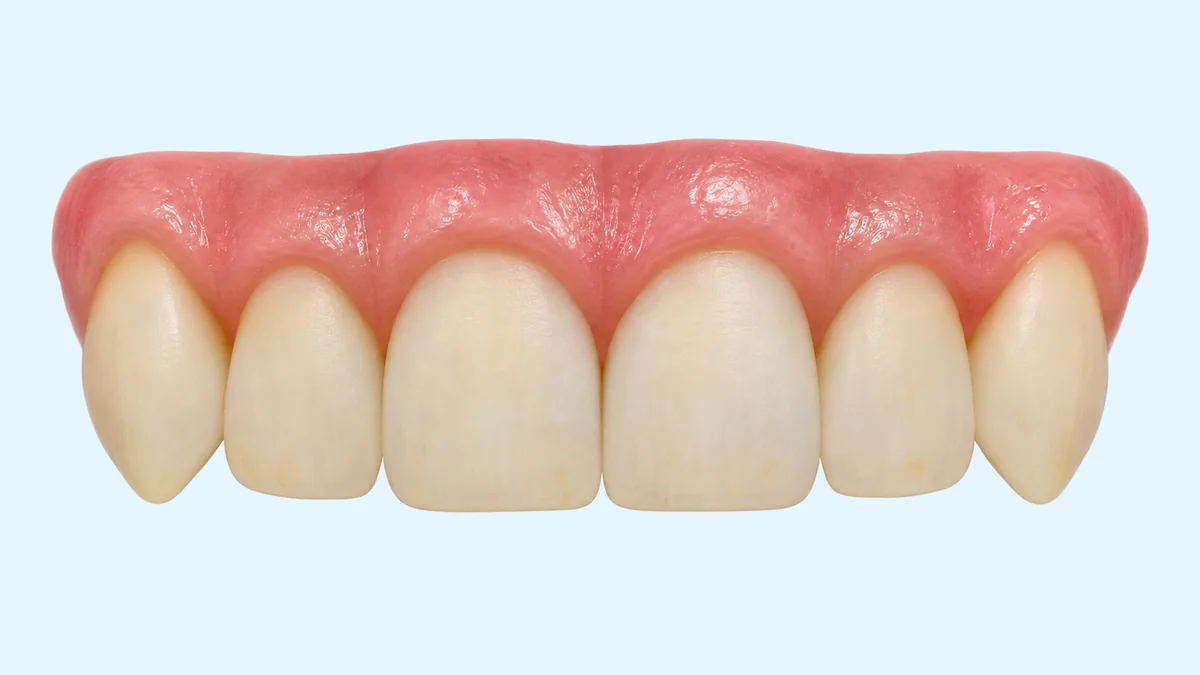
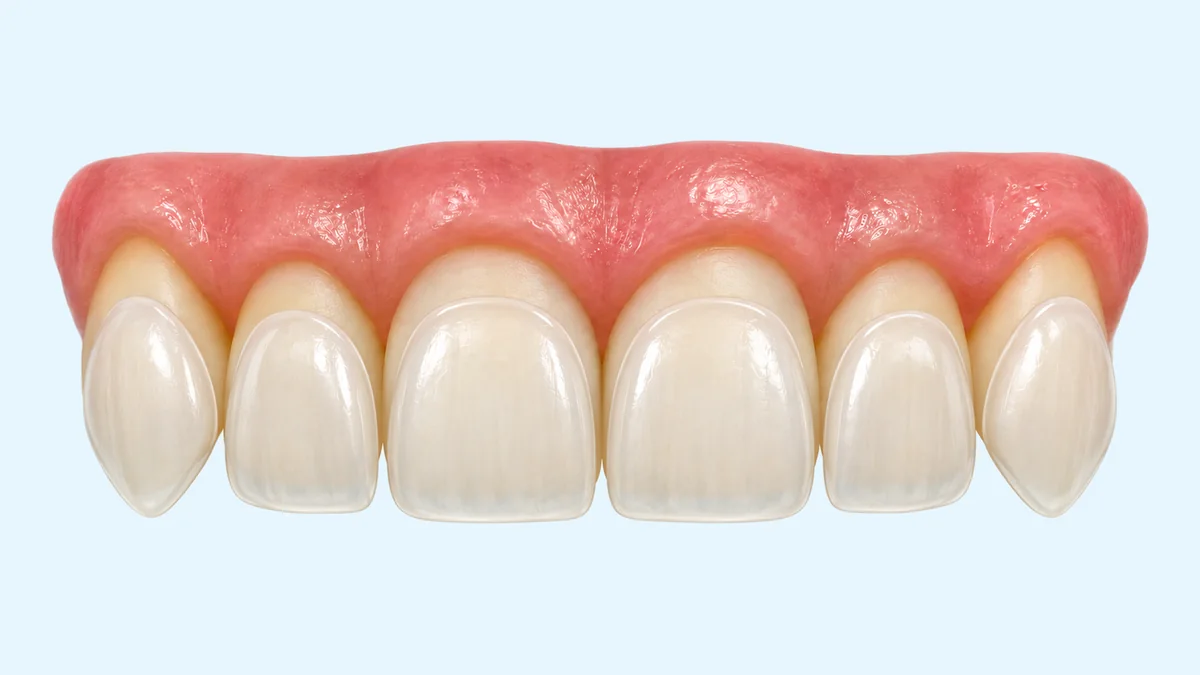
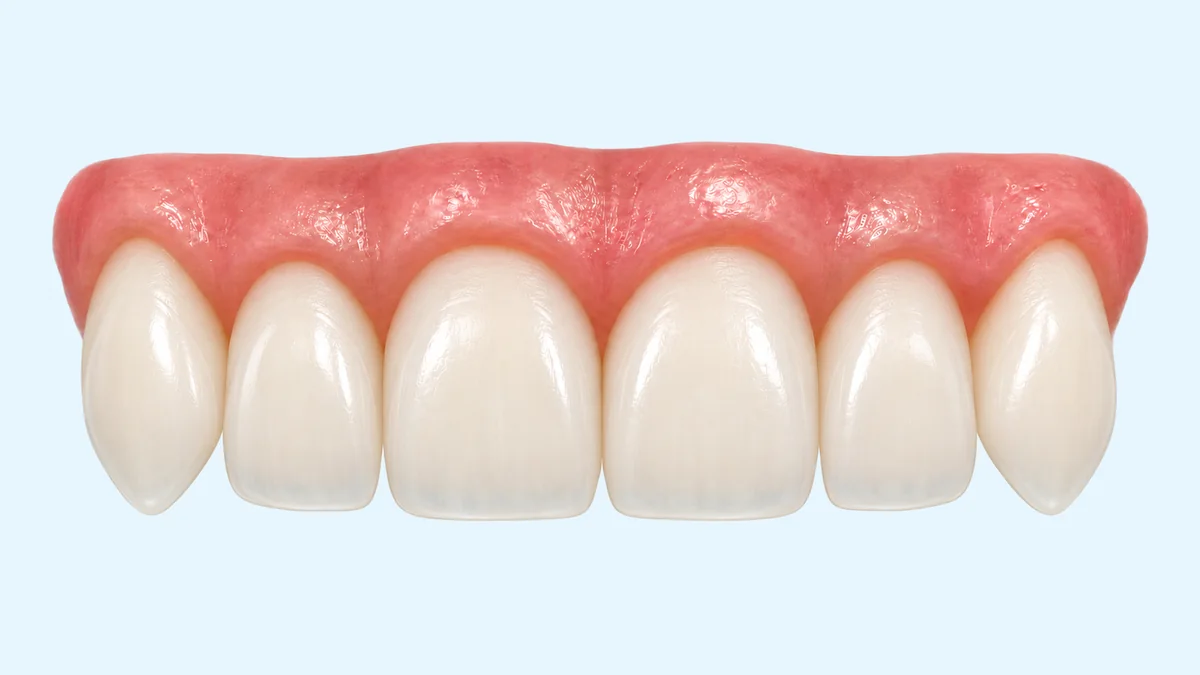
Ceramic is fired and finished before it reaches your mouth. Its surface stays glossy and resists coffee, tea and red wine far better than resin, and it reflects light in layers, much like enamel.
The trade-off is a precise fit. On most teeth a thin layer of enamel is removed, a scan or impression is taken, and you wear temporaries while the veneers are made. Once bonded to enamel, ceramic and tooth work as one.
When people say porcelain veneers, they can mean several ceramics. Classic layered porcelain is built up by hand by a dental technician and allows fine control of colour. Pressed glass-ceramics such as E.max and Empress are the other common choices.